
Practical Tips on How to Stop Snoring
Practical Tips to Stop Snoring
Sleep Better Guide
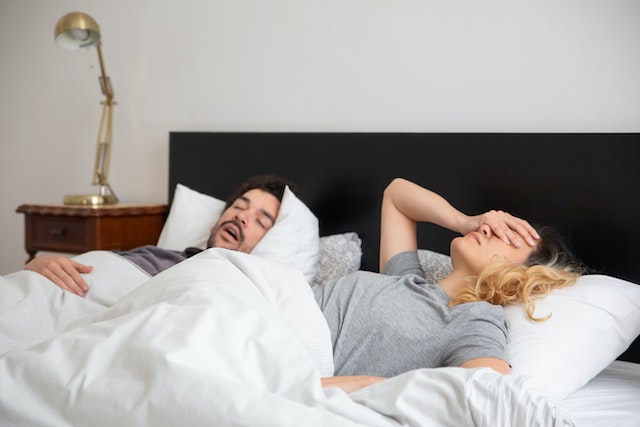
Snoring isn’t just a nuisance; it can compromise health. Discover how lifestyle changes, diet, and exercises can lead to quieter, more restful nights.
Shop Sleep Essentials
Solutions for a silent and peaceful night’s sleep.
Why We Snore
Snoring happens when air cannot move freely through the nose and throat, causing tissue vibration. Causes include narrow airways, excess weight, or nasal obstruction.
Common Myths
It’s not a sign of deep sleep or uncontrollable. It’s often a sign of obstructed breathing that can be managed.
Lifestyle Changes
Weight Management
Excess weight around the neck narrows airways. Losing even a little can help significantly.
Limit Alcohol
Alcohol relaxes throat muscles, worsening snoring. Skip drinks before bedtime.
Sleep Hygiene
Stick to a consistent sleep schedule to help your nasal passages.
Quit Smoking
Smoking irritates nasal/throat tissues. Quitting leads to quieter nights.
Check Medications
Some sedatives relax throat muscles. Consult your doctor if suspected.
Dietary Habits
- ✔ Fiber & Proteins: Whole grains, fruits, fish, and soy are preferred over high-fat dairy/meat which cause inflammation.
- ✔ Hydration: Drink plenty of water to prevent dry mouth/throat sensations. Avoid caffeine/alcohol near bed.
- ✔ Light Dinners: Avoid heavy meals before sleep to reduce diaphragm pressure.
Exercises to Reduce Snoring
Throat
Hum a tune or recite vowels aloud to toughen throat muscles preventing slackening.
Tongue
Stick tongue out far or slide along roof of mouth to stop it blocking airways.
Jaw
Open wide, close slowly with tongue on bottom. Boosts alignment.
General
Cardio helps weight management, reducing neck pressure.
Shop Rest & Relaxation
Create a calm environment for better sleep.
Home Remedies
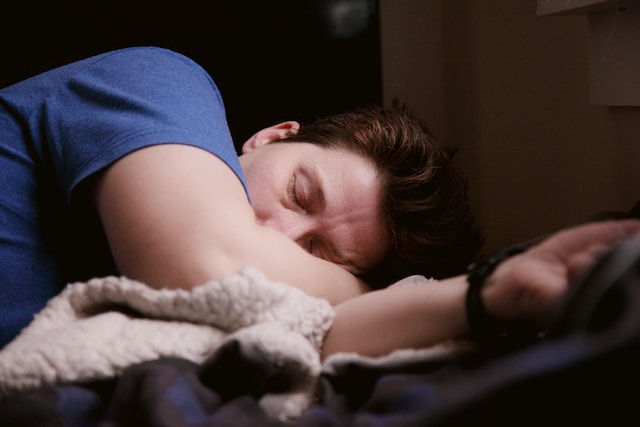
- Position: Sleep on your side, not back.
- Pillows: Use special pillows to align neck/head.
- Humidifier: Moist air prevents dryness.
- Oils: Eucalyptus/peppermint may soothe passages.
Sleep Space
- Comfort: Firm mattress, breathable sheets.
- Darkness: Blackout curtains for melatonin.
- Silence: White noise to prevent jolts.
Frequently Asked Questions
What causes snoring?
Relaxation of throat muscles and narrowing of the airway during sleep.
Can side sleeping help?
Yes, it keeps the airway open reducing likelihood of snoring compared to back sleeping.
Should I quit smoking?
Yes, smoking inflames throat tissues. Quitting is one of the most effective remedies.
Is it sleep apnea?
Snoring can be a symptom of obstructive sleep apnea where breathing stops/starts. Consult a doctor.