
10 Ways to Use a Face Massage Roller in Your Skincare Routine
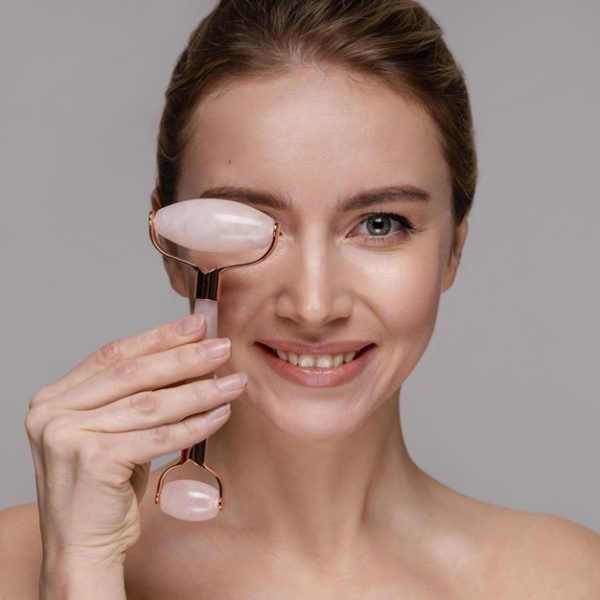
What is a jade roller?
The beauty industry network is abuzz with the new obsession, jade rollers. But is it so new? It’s both: the roller part of it is quite modern, while the jade used for beauty purposes is ancient. It is a small semi-precious stone tool to massage the face and enhance the action of the applied treatments. Lately there has been a lot of talk about it, it is one of the objects of desire of beauty addicts, but some rightly wonder if it is really useful, if it works, in a word, because the risk is to realize that you have spent money in vain and that you have wasted time (and hopes); but we also ask ourselves which stone to choose, if any: the jade roller also exists in other stones, such as rose quartz and obsidian.
There is no shortage of questions around this strange object, so it pays to understand first if it is worth buying, and then which one. The choice, in fact, is not dictated simply by the preference of one color over the others, but, as you can imagine, there is much more to take into account, starting with the specific virtues of semi-precious stones.
Jade fights inflammation and redness, has a soothing action, and helps relieve tension, making the skin more toned. Rose quartz stimulates circulation, therefore it helps tissue oxygenation, and eliminates toxins and impurities (detox action). It makes the skin more elastic, uniform and radiant, minimizes the appearance of pores, reduces dark circles. Obsidian has above all a balancing action and can improve acne, psoriasis, eczema. But it is also anti-stress and purifying, it helps to clear the pores and make the skin healthy.
Here are some massage movements for the face to naturally prevent the aging of your skin:
1. Neck stretching: using the jade roller, stretch the skin of the neck from bottom to top by exaggerating the movements, going up to the point of the neck.
2. Lift exercise, stretching with the help of your jade roller, from the inside to the outside of the cheekbones, keeping the mouth in a “hen-bottom” shape.

3. Place the roller under the chin and roll it along your cheek outward. This helps to activate the pressure point under the chin in the center of the face, and to elevate the cheeks by improving the appearance of the smile or nasolabial fold area. Repeat on the other side.
4. Keeping the roller pressed vertically on the lips, try to breathe while resisting the force of the hand. This helps to improve the muscle tone of the lower half of the face, and to activate blood circulation, promoting oxygenation and tissue nutrition.
5. Place the roller on the eyebrow, one at a time, stretching them outward as you try to frown. This helps to soften the area of the wrinkle between the eyebrows, for a much softer, youthful and relaxed look. This serves to relieve tension and correct the posture of the shoulders because a numb musculature also influences a bad position of the neck and chin leading to the appearance of the double chin.
6. Pass the jade roller along the chin line.
7. Pass the jade roller on your cheekbones by alternating horizontal and vertical movements. Run your roller along these facial lines for total soothing and a gentle anti-aging effect.
8. To enhance this facial yoga session, add a small drop of oil on your face to facilitate movement.
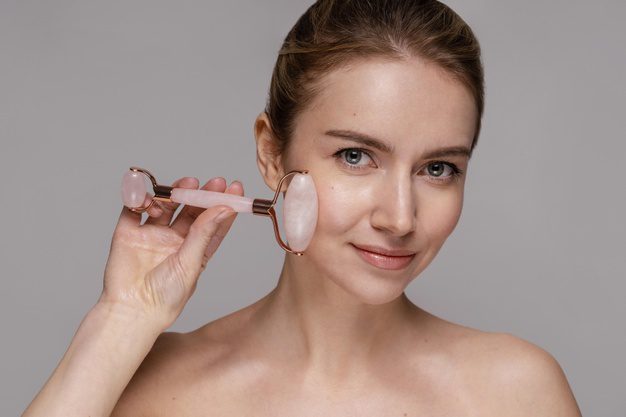
9. Jade rollers are available in a range of shapes and sizes. Choose larger ones for the whole face (especially for cheeks, jawline and forehead), and smaller for the most sensitive areas, like the lip contour and around the eyes, where – a quick reminder – it should be passed with extreme delicacy. In general, the pressure should be very light, but constant.
10. One last tip: to emphasize the anti-swelling, soothing and toning effect, leave the roller in the fridge, closed in a sachet or wrapped in a cloth to keep it clean.
Practical Tips on How to Stop Snoring

Snoring is a common sleep phenomenon known for its peculiar sound that can disrupt others’ rest. Many view snoring as a trivial issue. However, it holds substantial importance due to potential health compromises. Consequences can include sleep disruption, daytime fatigue, and more severe cases linked to cardiovascular diseases. Thus, giving attention to identifying and managing snoring is beneficial not just to ensure a good night’s sleep but also for overall well-being.
Reasons of Snoring
Snoring often happens when air cannot move freely through your nose and throat during sleep. This makes the surrounding tissues vibrate, which produces the familiar snoring sound. There are various causes of snoring. For instance, having a narrow airway, being overweight, or having a nasal obstruction could all lead to snoring. It’s not just a nighttime disturbance. Regular snoring may lead to poor sleep quality, daytime fatigue, increased irritability, and even serious health issues such as heart disease.
There are several false beliefs floating around about snoring. Some people incorrectly assume that it is a sign of deep sleep or it is something that can’t be controlled. However, factually, snoring is typically a sign of obstructed breathing and there are numerous ways to address and manage it.
Lifestyle Tips
- Weight: With excess weight, especially around the neck and throat, the airways may become narrow, leading to noisy vexation. Losing even a small amount of weight can make a big difference;
- Alcohol: Drinking alcohol before bedtime relaxes the muscles in the throat, making the airway more prone to the rumbling sound. Skip that last drink before it’s time to snooze, and you may discover a quieter night’s rest;
- Sleep Hygiene: Proper sleep hygiene is not just about getting enough rest but also ensuring that you have a healthy sleep schedule. Try to go to bed and wake up at the same time daily – your nasal passages will thank you;
- Smoking: Both direct and secondhand smoke irritates your nasal and throat tissues, worsening snoring. Saying ‘no’ to cigarettes will not only provide you with a healthier life but also quieter nights;
- Medications: Some types of medications and sedatives can function similarly to alcohol, relaxing throat muscles and leading to loud snoring. Speak with your doctor if you suspect your medication might be making your snoring worse.
Dietary Tips
- Diet: Foods high in fiber, like whole grains, fresh fruits, and veggies, help to breathe easier during sleep. Not to be ignored are fish and soy products, which are light yet preeminent sources of protein, preferred over high-fat dairy or red meats, which could cause inflammation and worsen the snoring;
- Hydration: Every cell in your body needs water to function correctly, including those involved in sleep and relaxation. Dehydration often leads to dry mouth and throat, causing snore-inducing vibrations. So, make sure to sip plenty of fluids throughout the day to keep your tissues moist and snore-free. However, avoid beverages with caffeine and alcohol, especially close to bedtime, as they have a tendency to disrupt sleep patterns and increase the chances of snoring;
- Bedtime Meals: Consuming a hefty dinner too close to hitting the hay could make snoring worse. It puts pressure on your diaphragm, hindering your breathing and leading to louder snores. Opt instead for a lighter meal a few hours before you aim for some sleep.
Physical Exercises
- Throat exercises: When the muscles of your throat slacken during sleep, they can obstruct the airway, leading to the familiar and bothersome noise. By engaging in throat exercises, such as humming a tune every day or reciting the vowels aloud several times, you can toughen these muscles, making it less likely for them to slack during sleep;
- Tongue exercises: Your tongue can contribute to your snoring problem when its base falls backward in your throat whilst you doze. Tongue exercises, such as sticking your tongue out as far as it goes or sliding it along your mouth’s roof, can help in rectifying this. The aim here is to strengthen the tongue, to stop it from coming in the way of your bedtime breathing;
- Jaw exercises: A misaligned jaw can create tension and impact your breathing pattern, which can then lead to snoring. One workout for this involves opening your mouth wide, then closing it slowly while keeping your tongue in contact with the bottom of your mouth. This exercise can boost jaw alignment and hopefully help reduce snoring;
- General fitness exercises: When you carry excess weight around your neck, it puts pressure on the inner diameter of your throat, making it more inclined to collapse during sleep, causing snoring. Regular physical activity like walking, swimming, or cycling can aid in weight management and subsequently decrease snoring frequency.

Home Remedies
- Sleeping position: Shifting the way you sleep can make a huge difference. If you usually sleep on your back, try flipping over to your side. This easy modification can help keep your airways clear;
- Special pillows: Certain specially designed pillows can help adjust your sleeping posture automatically. These special beddings support your neck and align your head correctly, aiming to open up your airways;
- Air humidifier: Dry air is often blamed for worsening snoring. A solution could be as simple as adding a humidifier to your bedroom. By boosting the room’s moisture level, humidifiers can help you to stop snoring
- Essential oils: Some people have found relief by using certain natural substances, like essential oils, including eucalyptus or peppermint. These remedies may help soothe and shrink swollen nasal passages, allowing smoother airflow.
Sleep Space Tips
- Comfort: A well-padded, firm mattress can provide vital support for your body. Use breathable cotton sheets, which help regulate your body temperature during the night. Ensure your pillow’s height aligns your neck comfortably with your spine to keep your airway clear to stop snoring;
- Consistency: Heading to bed at the same time each night helps regulate your body’s internal clock or circadian rhythm. This continuity promotes better, snore-free sleep. Embrace a pre-bedtime wind-down routine that can signal your body to get ready for rest;
- Darkness and Silence: A tranquil, dim sleep setting signals to your brain that it’s time for rest. Light can interfere with your body’s production of melatonin, a hormone that promotes sleep, so consider using blackout curtains or an eye mask. Similarly, minimizing noise can prevent sudden jolts from sleep; try earplugs or a white noise machine to maintain a serene, snore-busting environment.
To conclude, dealing with snoring won’t be a one-night victory. It needs time, along with continuous efforts and willpower. Continue your journey to a peaceful night’s sleep, armed with the knowledge and strategies shared in this article. Stay positive and focused on your path towards snoring-free nights.
Frequently Asked Questions
What is the cause of snoring?
Snoring is caused by the relaxation of the muscles in the throat and the narrowing of the airway during sleep.
How can I stop snoring?
There are several practical tips to help you stop snoring. These include changing your sleeping position, using nasal strips, avoiding alcohol and sedatives before bedtime, and maintaining a healthy weight.
Can sleeping on my side help prevent snoring?
Yes, sleeping on your side instead of your back can help prevent snoring. This position keeps the airway open and reduces the likelihood of snoring.
What are some easy snoring remedies that work?
Some easy snoring remedies include keeping your bedroom air moist, using a humidifier, elevating your head while sleeping and avoiding allergens that can irritate your nasal passages.
Should I stop smoking to eliminate snoring?
Quitting smoking is one of the most effective ways to eliminate snoring. Smoking irritates the tissues in the throat and can lead to inflammation and narrowing of the airway, resulting in snoring.
Can snoring be a sign of obstructive sleep apnea?
Yes, snoring can be a symptom of obstructive sleep apnea, a serious sleep disorder where breathing repeatedly stops and starts during sleep.
The Impact of Mindful Parenting on Child Development

Studying the impact of varied parenting styles on child development, especially mindful parenting, is crucial. Different ways that parents interact with their children can significantly affect the kids as they grow. Analyzing these effects helps us learn how to raise children better, promoting their overall development – be it emotional, social, or cognitive.
Understanding Mindful Parenting
Mindful parenting is an approach that involves being present and paying attention to your little one’s needs. This style requires parents to show kindness and understanding, leading to a more peaceful and respectful relationship with their child.
The mindfulness-based approach revolves around five essential elements. First is listening with full attention. This means focusing on your kid’s words without distractions. Second is non-judgmental acceptance, treating your kid’s feelings and thoughts as significant. The third element is emotional awareness of self and child, where you become sensitive to your own and your child’s feelings. Fourth is self-regulation in the parenting relationship, learning to manage your emotions while dealing with your child. Lastly, compassion for self and child emphasizes understanding and kindness towards both you and your kid’s experiences.
In contrast to the traditional approach to parenting parenting, which focuses on the disciplinarian role or the nurturing role, mindful parenting fosters openness and communication rather than unilateral decision-making. So, instead of commanding ‘do as I say,’ mindful parenting encourages parents to listen, understand, and then guide their children.
Impact on Child Development
- Emotional development: Mindful parenting nurtures how to handle one’s feelings by teaching kids to manage their emotions effectively. Instead of just reacting to their feelings, they are guided to understand the root cause of their emotions, which helps in controlling them. This process fosters emotional regulation, building a strong foundation for them to handle their feelings in later life stages;
- Cognitive development: Kids with mindfully oriented parents are often more attentive and can concentrate better. They learn to stay focused on their tasks, an essential skill that is beneficial both in school and at home. Also, these individuals tend to be adept problem solvers. They learn to understand a situation better and formulate efficient solutions, helping them deal with day-to-day challenges effectively;
- Social development: Children under this parenting approach are more empathetic and understanding, helping them in their interactions with others. Their ability to understand others’ perspectives is enhanced, enabling them to communicate better. This increased sensitivity to others’ feelings and robust communication skills set them on the path toward successful social relationships;
Research Supporting the Impact of Mindful Parenting
From universities to independent research bodies, there’s an abundance of studies illuminating this beneficial style of parenting.
One paper of note comes from scholars at the University of Vermont. They discovered a strong link between this mindful approach and healthier mental states in children. In fact, their study results indicate lower rates of anxiety and depression in kids raised with mindful parenting methods.
Another pivotal study hailing from the University of Amsterdam shows the creation of stronger parent-child relationships when mindfulness is practiced. These relationships tend to have more trust, respect, and open communication.
Then there’s compelling research out of Ohio State University. The research team found evidence of improved parent-child interaction. Particularly, children showed enhanced social skills while their parents felt less stressed and more capable in their parenting roles, all thanks to the use of mindfulness.
These scholarly efforts, among others, shed light on the real, measurable effects that mindful parenting can have on a kid’s development and familial relationships. The findings confirm that being present and focused as a parent isn’t just a “nice-to-have”, it’s quite possibly a game changer in raising well-adjusted, happy, and resilient kids.
Practical Strategies
Daily Routines to Practice Mindfulness
Start your day by taking a few minutes to focus on your breath — it helps to center your thoughts. Make it a habit to take a mindful walk, focusing on each step and the sensation of movement. While doing chores, try to stay engaged and present, bringing awareness to every motion.
Strategies for Handling Challenging Situations
When faced with a difficult moment, take a deep breath. Instead of reacting instantly, give yourself a moment to pause and think. You can also apply this to interactions with your child. If they are upset or misbehaving, rather than reacting in anger, pause, consider their feelings, and respond with calm understanding.
Techniques to Improve Communication and Parental Stress Management
Give your child full attention and show empathy towards their feelings. Express your own feelings and needs openly and respectfully as well. On the other hand, stress is a common part of parenting, but mindful techniques can help manage this. Regular meditation, yoga, or simple deep-breathing exercises can provide relief from stress and promote mental peace.
Challenges and Criticisms
Just like any other parenting style, mindful parenting also faces its share of criticisms. Some argue that mindful parenting requires too much effort and can put unnecessary stress on the parent. A common complaint is that it tends to focus more on parents’ needs and feelings rather than those of their children. Yet proponents argue by prioritizing their well-being, parents are better able to support their children emotionally and psychologically.
Practicing mindfulness can pose its own unique set of hurdles. One of the big ones is struggling to find enough time in the day to incorporate mindfulness practices. Parents often have so many responsibilities that it can be burdensome to carve out the time for self-reflection and awareness. Another hurdle is the misconception that being mindful means being a “perfect” parent. This can lead to undue guilt if parents feel they aren’t living up to the mindful parenting ideal. It’s important to remember though, that being mindful doesn’t mean being flawless. It’s about witnessing one’s own habits, becoming aware of them, and using this awareness to support the growing connection with children.
Summing up, mindful parenting could reshape traditional parenting tactics. It stands a chance of promoting healthier development and strong relationships with your child. Furthermore, mindful parenting may present an effective way to deal with the pressures of parenting. Despite possible challenges, the potential benefits are too great to ignore, making this approach worth considering for any parent or caregiver.
Frequently Asked Questions
How does mindful parenting affect a child’s behavior?
Mindful parenting can have a positive effect on a kid’s behavior by providing them with a supportive and nurturing environment, promoting self-regulation, and strengthening the parent-child bond.
What is the difference between mindful parenting and other parenting styles?
Mindful parenting is different from other parenting practices because it is based on mindfulness, which is a moment-to-moment awareness of what is happening in the present moment. Other parenting styles may focus more on control or discipline.
How can parents practice this approach?
Parents can practice the mindful approach to parenting by learning and implementing mindfulness techniques such as meditation, deep breathing, and being aware of their own emotions and reactions.
How does the practice of mindfulness help with stressful situations?
Mindful parenting can help parents navigate stressful situations by allowing them to pause, reflect, and respond in a calm and thoughtful manner rather than reacting impulsively.
Can it help change a parent’s mindfulness?
Yes, practicing this approach helps parents become more aware of their own thoughts, feelings, and reactions and can contribute to an overall increase in mindfulness.
Sleeping Without a Pillow: The Potential Risks You Should Know

Sleeping without a pillow can vary greatly from person to person. Adopting this approach could be beneficial for certain folks under specific circumstances, although it may also entail a set of potential hazards.
Why Using a Pillow is Important
Using a pillow while sleeping is more than just comfort. It plays a pivotal role in maintaining your body’s alignment, specifically your spine. By providing necessary support to your neck and head, a pillow ensures the spine remains in a neutral position during sleep. This alignment is essential in preventing both short-term discomfort and long-term postural issues.
Additionally, a pillow’s role extends to sleep quality. A properly chosen cushion can greatly reduce sleep interruptions, offering comfort that enables more restful and continuous sleep habits and patterns. This uninterrupted sleep translates into feeling more refreshed and energetic upon waking.
Lastly, sleeping with a pillow aids significantly in keeping muscle tension at bay. Resting without adequate support can lead to muscle strain and tension, particularly in the neck and shoulders. A pillow provides relief by distributing weight and easing pressure on these areas, resulting in a more relaxed and tension-free sleep.
Potential Risks
- Posture Problems: Sleeping without a pillow may make it harder to have a proper spine position during sleep. When our neck isn’t supported, it often results in an improper posture. Timely intervention is crucial, as the body’s alignment during snooze time can greatly impact our spine health;
- Muscle Fatigue: Without the right support, there is a possibility of straining muscles in your back and neck. Pillows work to ease tension in these areas, and hence, sleeping without one may lead to unwanted stress on the muscles;
- Sleep Disturbance: The chances of having a disturbed night’s sleep can escalate when we forego the use of pillows. It could stem from the discomfort caused by a lack of support, leading to frequent wake-ups and difficulty in falling asleep again;
- Neck and Shoulder Discomfort: With no cushion underneath, your neck and shoulders get no relief. This could pave the way for developing soreness in these areas, making sleep time a painful ordeal;
- Aggravating Existing Health Concerns: Those with specific health issues such as certain types of arthritis, sleep apnea, or acid reflux disease might find their conditions worsening. The natural comfort and alignment that a pillow provides could often be key to managing and easing these conditions.

The Impact of Sleeping Postures
Everyone’s sleep position has a bearing on their risk of discomfort when resting without a pillow.
If you sleep on your back, choosing to eliminate a pillow may prompt health issues. Without the cushioning provided, the neck is left without support, leading to misalignment with the rest of the body. This lack of support may often result in troublesome head, neck, and back pain.
Sleeping on the stomach often causes neck twisting when the head turns to the side, leading to an increased risk of discomfort or stiffness. Removing the pillow amplifies this inclination for stiff necks by increasing the twist in an already unnatural position.
In the case of side sleepers, there exists a broad gap between the mattress and their head, where a pillow usually serves as the cushion. Without this item, maintaining a straight, natural alignment in terms of the spine and neck becomes a challenging task. The risk of improper alignment and subsequent pain is, therefore, amplified among those who adopt the side position but prefer not to use a pillow.
Who Might Benefit
Not everyone experiences the comforting embrace of a pillow the same way. Those battling ongoing neck or back discomfort might discover comfort while resting on a flat surface. Lying down on a mattress with no pillow encourages the spine to rest in its inherent position, possibly alleviating some types of chronic back and neck pain.
Sometimes, ditching a pillow may help introduce an unexpected source of comfort. For instance, during certain health-related circumstances, like during a heatwave, the extra elevation from a pillow might disturb the body’s attempt to cool down, causing unnecessary discomfort. In such cases, pillowless sleep might improve the quality of your slumber. However, the solution widely varies based on individual health status, personal comfort, and numerous other factors.
In wrapping up, remember that choosing to forego the nightly head cushion can come with various hazards. It’s vital not to dismiss these possibilities if you’re mulling over ditching your pillow.
Frequently Asked Questions
What are the drawbacks of sleeping without a pillow?
Some potential drawbacks of sleeping without a pillow include the lack of support for your neck and head, which can lead to discomfort and poor sleep quality for certain individuals. Additionally, it may take some time for your body to adjust to sleeping without a pillow.
Can sleeping without a pillow benefit side sleepers?
Sleeping without a pillow might not be the ideal choice for side sleepers, as they usually require a thicker pillow to provide proper support to the head, neck, and shoulders.
Is it better to sleep on your back without a pillow?
For back sleepers, it is generally recommended to use a pillow to support the natural curve of the spine and provide alignment for the head and neck.
Can sleep without a pillow benefit stomach sleepers?
Stomach sleepers can benefit from sleeping with a flat pillow or no pillow at all, as it can help reduce strain on the neck and spine. However, individual comfort and preference should also be taken into account.
Are there any potential benefits of sleeping without a pillow?
Yes, some people may benefit from sleeping without a cushion. Removing your pillow may improve sleep quality and help alleviate certain types of back pain.
5 Reasons Ice Water Therapy Isn’t Enough

If you’re physically active, you’ve probably experienced at least one injury that required you to follow what is known as the RICE regimen – Rest, Ice, Compression and Elevation. It’s not an easy program to follow, mainly due to the second and third parts of the regimen, ice and compression. Because RICE is difficult to maintain over time, sometimes people trying to recover use just a simple ice water therapy system to reduce the swelling and pain caused by a soft tissue or musculoskeletal injury. But ice water therapy isn’t good enough; compression is very important as well. Fortunately, there’s a NASA-grade option that offers both treatments in one simple and reliable system.
Here are five reasons why ice water therapy alone should not be your treatment choice:
1. Slower healing
Numerous studies have shown that ice water therapy used alone delays the healing process, which means you’re out of work longer, or can’t get off the couch and back to your normal activities as soon as you would like. The reason healing is slower is due to the fact that you need compression treatment to optimize lymphatic drainage. This will accelerate the healing process because of removal of edema from injured soft tissue.
2. Increased pain
No matter where you hurt, pain makes your life miserable. When patients use a combination of cold therapy and compression, especially systems that offer intermittent compression, their pain is substantially decreased. One study followed patients who underwent anterior cruciate ligament (ACL) reconstruction surgery. At six weeks postoperatively, 83 percent of all patients using a compressive cold therapy system had discontinued all pain medication, compared with only 27 percent of those who used only cold therapy.
3. Poorer temperature control
Basic ice therapy or cold packs don’t allow the user to easily adjust the temperature. Higher temperatures will result in slower healing; too-low temperatures can be uncomfortable, and even painful (cold packs sometimes cause skin burns), which usually results in poor patient compliance – and therefore a slower return to normal activity.
4. Inconvenient
Simple circulating ice water therapy systems or cold packs may seem like an easy option. In fact, they’re harder to use than systems that combine cold therapy and compression in a dual-action wrap. Cold packs are messy, lumpy, wet and they don’t conform well to many parts of the body.
5. Inefficient design
Ice water therapy or cold packs aren’t engineered to conform specifically to specific areas of the body that typically require cold therapy after an injury, such as the ankle, knee, shoulder, elbow, wrist or hand. This makes them less effective in delivering the therapy that’s needed, which slows down recovery time.
Ask your doctor or physical therapist about a solution that uses space-age technology to deliver cold and compression therapy in a portable and convenient system. Want to get your life back faster?
Patterson Medical exclusive distributor for Richmar
 Engineering tomorrow’s healthcare
Patterson Medical is delighted to announce it has been chosen as the exclusive Australia & New Zealand distribution partner for Richmar, a US based leading manufacturer of electrotherapy and medical products.
Richard New, Managing Director of Patterson ANZ said “we set out to bring the best range of electrotherapy to the market, in doing that, we found a truly innovative partner, in an industry that has had very little innovation in the last 30 years. Through smarter engineering and by design I can see the Richmar products will re-energise the use of electrotherapy and delight therapists”.
The Richmar range includes the revolutionary new GelShot, setting a new standard in ultrasound media with 40% better performance and addressing the issue of infection control associated with bulk gels. Gelshot is available for Richmar, Metron and Chattanooga ultrasound probes.
The new Hydratherm will be on the shopping list for clinics and hospital using moist heat therapy. Since launching earlier this year in the US, Richmar can hardly keep up with production of the new composite polymer design heating unit hailed as the first ever rust, mould, bacteria and mildew-proof hydrocollator.
Richmar has also redesigned the humble heat pack, the result being the new Hydraheat pack, a latex free, non-porous, bacteria resistant polymer surface with a patented heat absorbing gel formula which is very malleable, conforming really well and delivers therapeutic moist heat at a safer temperature without the worry of bursting.

The jewel in the Richmar crown is the Therasound EVO and Winner EVO interferential stim and combo units. Due for release in October 2016, subject to TGA approval. The Therasound and combo units feature innovations such as the 2-in-one Therapy Hammer combining both a 5cm and 2cm applicator, hands-free Autosound (optional) and the revolutionary Gelshot. For the first time, therapists and patients will actually be able to see the ultrasound working.
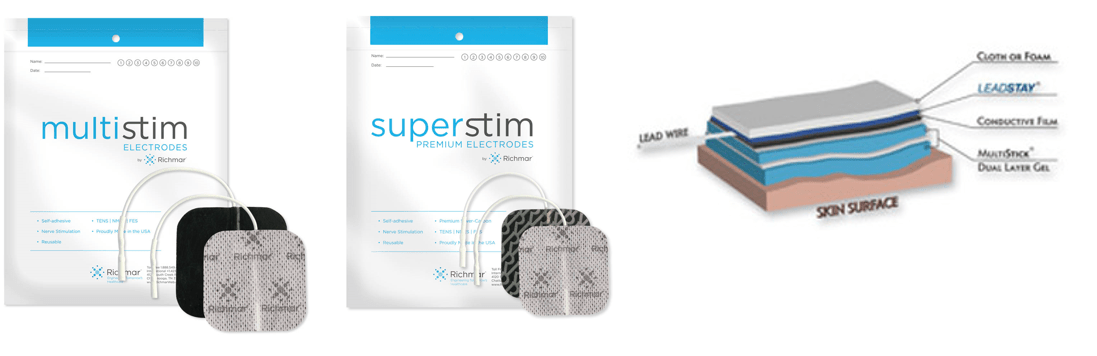
Completing the offer is the Richmar Superstim and Multistim electrodes which can be used on all electrotherapy devices. The electrodes use a proprietary bonding and moisture barrier called Leadstay and two 35mm hydrogel layers providing comfortable and uniform stimulation even while undergoing moist heat therapy.
Chad Morgan, CEO of Richmar stated “we are delighted to have partnered with Patterson Medical to bring our innovative range of products to the Australian and New Zealand markets. Patterson’s is a specialty rehab distributor and have a long track record in launching innovative technology and supporting therapists and businesses to improve patient outcomes. We look forward to a successful and long term partnership with Patterson’s and to serving therapists across Australia & New Zealand”.
More information:
Wendy Gillmore, General Manager, Patterson Medical NZ on 0800 102 090
About Richmar
Richmar based in Chattanooga Tennessee USA has provided clinicians with the means to treat musculoskeletal and soft tissue inflammation since 1968. Manufacturing a diverse line of quality medical devices for physical therapy, medical accessories, and pharmaceutical products, Richmar is led by a team of engineers focused on pioneering new technology to create medical equipment for an evolving healthcare system.
How to Get the Most Out of Your Hand Strengthening Program Following a Stroke

If you are setting out on a hand-strengthening program following a stroke or spinal cord injury, you are seeking to retrain your muscles, joints, mind and central nervous system. All were injured during your neurological event, and all need healing.
Retraining and strengthening a hand is complex and difficult work. It involves much more than going through the mechanical motions. The biggest challenge may be focusing your mind on the healing process, even as your brain, itself, continues to heal.
Listed below are four, simple but powerful, strategies to help stick to your hand strengthening program.
Relate the exercise to something that motivates you
Staying motivated to keep up with your exercises is the bane of any exercise program. However, motivation can be particularly difficult as apathy is a common experience in stroke patients. (Caeiro, Ferro, Pinho e Melo, & Canhao, 2013).
To combat this, embed your reason for wanting to get better into your program. Make the connection between exercising and your goals as concrete as you can.
Perhaps instead of flipping a blank piece of paper you can use a meaningful photo? Maybe you could incorporate pieces from a favorite game, like checkers or scrabble? Instead of simply stretching, consider using the warm water in the sink during dishwashing to relax your muscles for stretching, thereby pairing your stretches with an already established routine.
Here are some examples of other functional hand exercises to consider. You can also ask your therapist to brainstorm with you on how to relate your program to a meaningful outcome.
Set a concrete goal
Goals are vital to staying focused and achieving positive outcomes. If you have a therapist you are working with, they can help you craft a reasonable goal with an achievable timeframe.
Following a stroke, it is common to find setting goals and undertaking goals more difficult (Rochat et. Al., 2013). Use this as an opportunity to work explicitly on this skill.
Combat the difficulty by making your goals as concrete as possible. Write them down and post them in a place where you can see them. Take time to celebrate and reward yourself when they are completed. Share your success with family and friends.
Track your exercises
Keeping track of your exercises may be a simple as making a little X on the corner of your calendar, to indicate you completed the exercises for the day. There are many free exercise logs out there for you to print out.
Tracking is not only a helpful motivator, it will also help you communicate your progress with professionals and caregivers.
Keep adjusting so you achieve a just-right challenge
If the program is too easy, you may become bored. If it is too difficult, you may be tempted to give up completely. Your program should present a level of challenge that hits the sweet spot in-between.
You can work with your therapist to adjust the number and intensity of reps and/or the complexity of movement to achieve this.
Whatever strategies work for you, do them. Exercise and the practice of functional movements are a vital part of your brain’s healing. Research shows that not only will you strengthen muscles, but also that exercise is an important part activating the brain’s natural healing processes (Kleim, Jones, & Shallert).
If you have questions about applying these principles, speak to your occupational therapist or rehabilitation professional.
How to lose weight in the face: cheeks, deflate!
The face, more often than other parts of the body, takes the blows of fate – it is on it that you can calculate, at a glance, lack of sleep, a tendency for overeating and even a craving for excessive puffy pillows. Do not wait by the sea of weather, declare to fight cheeks and a second chin today, and learn already at last funny, but effective exercises to lose weight in the cheeks. So, how do you lose weight quickly in the face?
✔ Explore the options!

Chubby cheeks may seem cute to anyone – but usually not to their owners.
Three reasons that make your face look full:
➯ Weight gain
On the cheeks and cheekbones, as well as around the temples and neck, subcutaneous fatty deposits easily accumulate – often in quantities that change the features beyond recognition.
➯ Deformational aging
This is connected not so much with age as with the degree of degenerative damage to the facial musculature and skin. Risk factors – heredity, smoking, hormonal disorders. The tissues become flabby, loose, sagging, and the face looks full and puffy.
➯ Swelling
Schedule disorders, lack of sleep and fresh air, a sedentary closed lifestyle, alcohol abuse, as well as simple carbohydrates and salt, diseases of the excretory system and the thyroid gland often lead to the fact that the thin skin of the face retains fluid. In this case, the actual slimming of the face may not be necessary, it is enough to restore drainage and adjust the metabolic processes. Of course, with the assistance of a doctor.
How to lose weight in the face: will diet help?

To start with, the bad stuff: it is physically, chemically and technically impossible to make any one part of the body lose weight point by point. As a rule, all the disadvantages of diet and lifestyle are primarily manifested on the face, and the older we get, the more obvious this dependence becomes. However, there is good news: the result of any positive changes, as a rule, becomes visible in the mirror from the cosmetic bag in the first place.
It is believed that more than others, women dream that their cheeks lost weight, type “apple” (so-called abdominal type of obesity in which deposits are concentrated around the waist and the slowest way out of there – to lose weight in the legs have succeeded, but the waist has not “cut through,” and cheeks are not going anywhere).
This unfortunate phenomenon is based on genetic features of the figure, which determine the structure of the body and its individual parts. Most often the “problem of cheeks” has nothing to do with the soft tissues themselves, it is based on the specific proportions of the face, the location of the bones of the skull, etc.
Even a very thin person’s face can remain wide and large – in this case, it is necessary to rely on cosmetic concealment. Facial slimming is an unavoidable consequence of losing weight in general. If the measures taken to get rid of excess weight are systematic and well thought out, the face will inevitably lose weight, although it may take some time for the effects of the diet to “catch up”.
Apply a strict diet and express diet for facial slimming is not recommended – the result may be just the opposite of expectations, as a woman’s face is able to respond quite eloquently to the deprivation of traces of fatigue and violation of the outlines.
❗To help keep your skin clear and supple, you can take advantage of California dermatologist Jessica Wu’s skin diet. In addition, when making a diet for slimness and health and planning to lose weight on the face, it is important to follow the following rules:



-
Drink at least nine glasses (180 ml) of plain pure non-carbonated water daily;
-
To lose weight in the cheeks, you should completely give up alcohol;
-
Eat raw fruits and vegetables at least six times a day (separately, or as part of dishes);
-
Increase your calcium intake (at least 1,200 mg per day, consult your doctor about the amount and sources!);
-
Limit salt and sugar intake as much as possible;
-
Visit a sauna, sauna (if there are no contraindications) and regular stretching exercises – this improves blood supply and elasticity of muscles, including the face.
How to lose weight in the face: special massages, masks and exercises
➯ Morning massage to lose weight in the cheeks
Fights extra chins and sagging cheeks. Soak a small and not very thick terry towel in a warm infusion of chamomile, sage, lime, yarrow (to prepare the infusion, pour a glass of boiling water over 1 tbsp of crushed dried herbs, leave for 20 minutes, strain). Make a few sharp movements in the manner of an accordion, sharply divide the ends of the towel to the sides, so that the cloth slapped on the chin.
For better action, “herbal” days can be alternated with “salty” days. In this case the towel for the massage is moistened in a strong salt solution (1 tbsp. of sea salt or iodized salt per 1 liter of water). It is important to consider the type of skin: for dry skin and skin with visible capillaries the solution should be less strong and room temperature, while for normal and oily skin the solution can be made more concentrated and hot.
After the procedure, apply a cream suitable for your skin to your face and neck.
➯ Face slimming mask
Composition: for oily skin, a base of live yeast, lemon juice and egg white is used (all mixed to the desired consistency); for dry and normal skin, oat flakes, bran and 2-3 drops of retinol are added to the base.
Process: apply to face, neck and décolleté area (2-3 layers). Lie down with your head tilted back to strain the chin area. Rinse after 15 minutes. The mask should be done once a week.
➯ Exercises to combat the second chin
❗In addition to strengthening the muscles of the face and neck, you will also strengthen the cervical spine. Masters of facial fitness recommend doing exercises for the face in front of the mirror, pre-lubricating problem areas with cream or wiping lotion.





-
Move the jaw. Tilt your head back as much as possible, push your chin forward and try to catch your lower lip on top of your upper lip.
-
Clench your teeth. Pull down lower lip.
-
Lower the corners of your mouth and tense your neck muscles firmly, then relax.
-
Rest your chin on your fist. Forcefully lower your head and stir yourself with your own hand. The movements can be up and down as well as sideways.
-
Resistance in the opposite direction. Lower the head (it is desirable to touch the dimple between the collarbones with the chin), grip the hands on the back of the head, raise the head with force and press backward with the hands.
-
Bend your head toward your left shoulder to touch it with your ear. Place right hand on right temple. Tilt your head to the right shoulder, overcoming the resistance of the hand. Do the same in the opposite direction.
-
Tilt your head and stretch your chin alternately to the right and left shoulder.
-
Turn your head to the right, put your palm on your left cheek and turn your head to the left through the counter resistance of the pressed palm. Change hands and direction.
Do 5-10 times each way.
Five more ways to make your face lose weight:
➯ Watch your posture
Despite the unobvious connection, the habit of slouching is often the cause of a puffy face and the appearance of a second chin. Simple weight redistribution, controlling your shoulders straightened, chin up, and deep breathing can bring amazing results in literally a week.
➯ Change your pillow
Reading while lying on your back can be a habit that is good for the intellect, but rather bad for those seeking to lose facial weight. A fluffy pillow while resting and sleeping contributes to the weakening of facial muscles and the appearance of hated extra chins, as well as swelling. The solution: read in a chair and sleep on a thin pillow, an orthopedic pillow, or no pillow at all.
➯ Get a proper haircut
Failure on the head can also spoil the perfect appearance, so do not tempt fate if you know your weaknesses very well. A chubby, heavy face is contraindicated to a bob and a silent-movie-style karee (on the lower cheekbones or higher), as well as short “flat” haircuts. To choose the form of hairstyles and tricks with coloring, visually making the face thinner and thinner, help the master hairdresser.
➯ Do not neglect the painting
If your cheeks are more noticeable than you would like, choose lighter shades of lipstick: dark lip make-up emphasizes flaws of the face and makes it visually older, but a calm, neutral shade, on the contrary, adds freshness to the image. Sculpt the area around the eyes and cheekbones with foundations and blush – if you know how to use concealer, it can literally make your face look shiny. Alas, the charms will dissipate after washing, but still!
➯ Trust your cosmetologist
Injection and more surgical techniques – this is probably the island of last hope, but in the arsenal of modern specialists they have the technology to make a skinnier face and without having to cut or inject something. For example, a sculpting massage with the hands of an experienced specialist or a hardware isometric contraction of the facial muscles provides good results. It makes sense to do such procedures, to achieve the most noticeable and long-lasting effect. Special creams with draining and tightening action will be a good help, but do not expect too much from them: the creams themselves, even the most expensive, will not make the face lose weight and will not turn Renée Zellweger cheekbones into Marlene Dietrich cheekbones.
Her face has lost weight! What’s next?

So, now you are completely savvy on how to lose weight quickly in the face. However, keep in mind that with a drastic weight loss your face is unlikely to immediately look fresher and younger – because the skin, after the “deflation”, is not able to shrink in the blink of an eye. And therefore it makes sense to go to a beautician and ask what masks and what procedures will help you (taking into account your skin type, age and other initial data) to increase skin elasticity, as well as to give it a “blooming” and healthy look.
Baby Shower Gifts for Mum
Sometimes, it can be overwhelming trying to find the perfect present for the mom-to-be. There are so many options to choose from, but what are the most useful and thoughtful? Here are some top picks that are sure to be a hit:
Baby Wipe Warmer
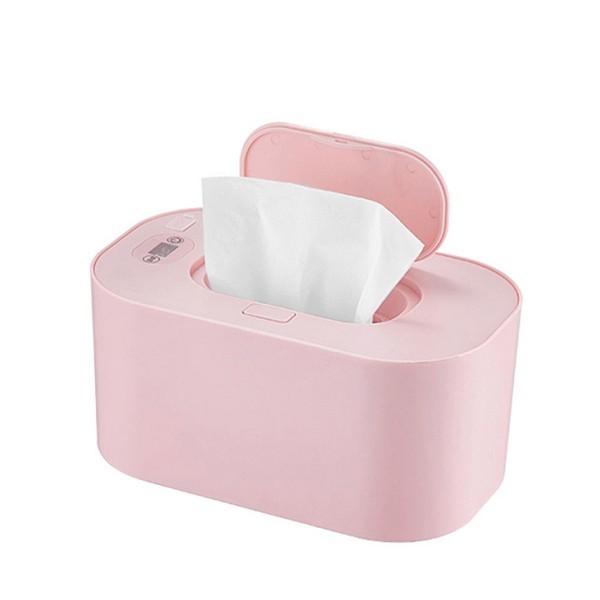
These wipes will help soothe a baby’s delicate skin and make the diaper-changing process easier.
Electric Breast Pump
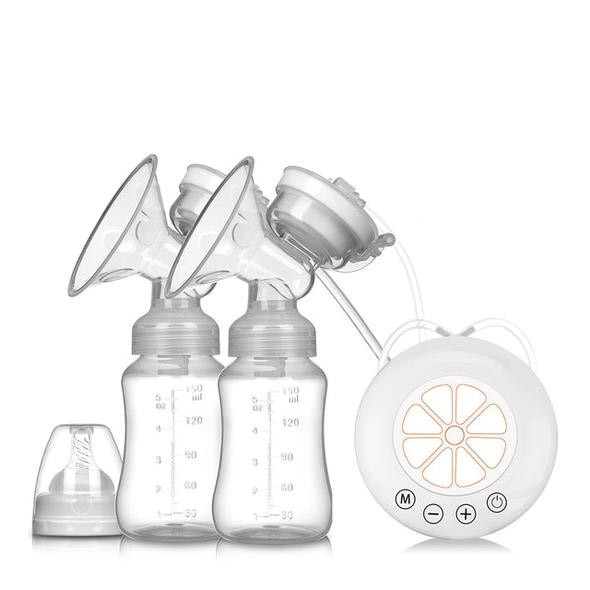
It can be a lifesaver for moms who plan on breastfeeding. The device allows for easy and efficient pumping, promoting freedom and flexibility.
Digital Baby Ear Forehead Thermometer

A reliable thermometer is a must-have for any new parent. It can quickly and accurately take a baby’s temperature, giving mom peace of mind.
Baby Carrier

It offers a convenient and useful way to keep the baby close. A baby carrier will enable moms to stay mobile with their little ones.
Handprint and Footprint Keepsake

It is a wonderful gift for capturing those precious early memories.
Gift Box

A box filled with baby essentials such as clothes and toys will surely please a new mum.
Nursing Pillow
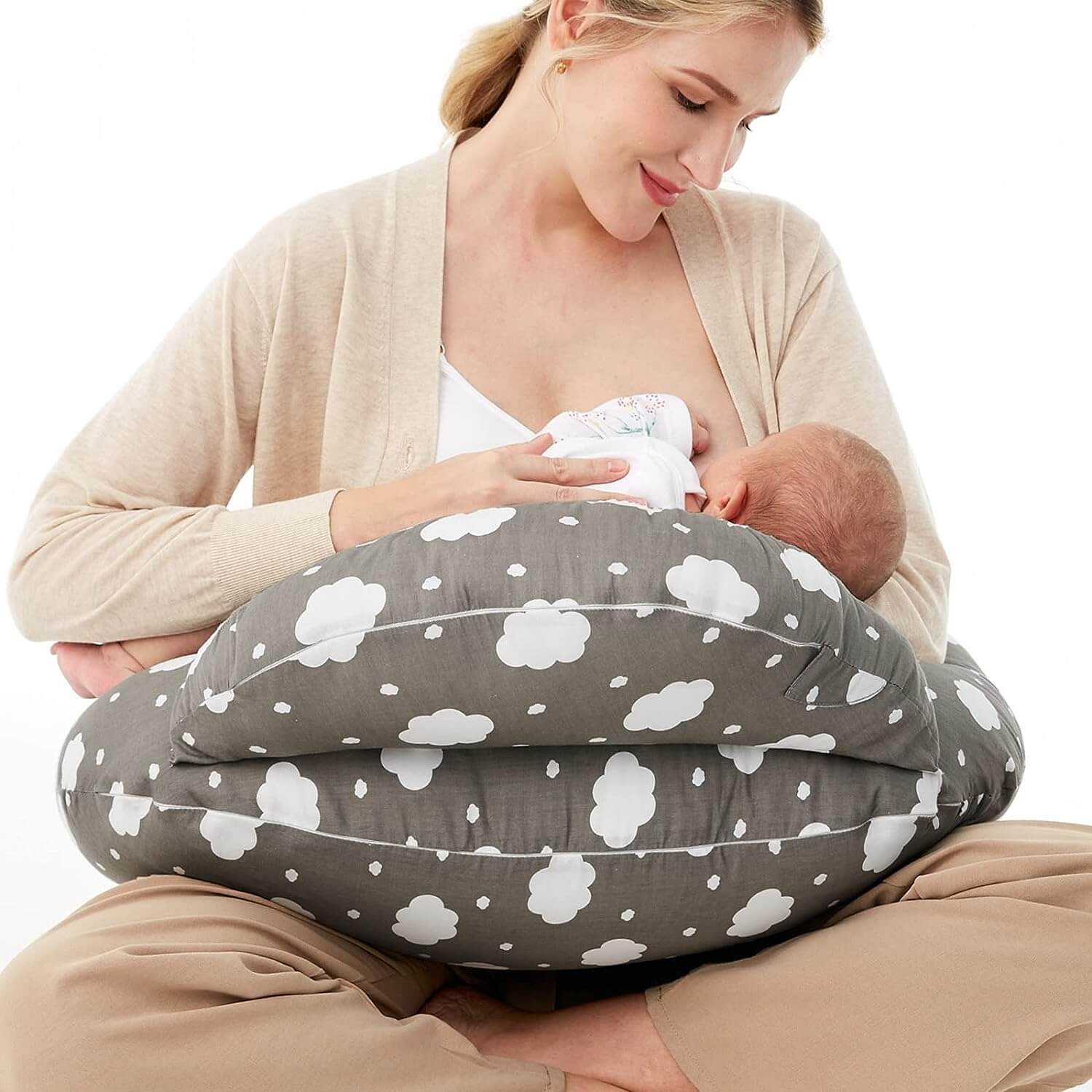
It can make breastfeeding more comfortable and help keep the baby in the right position.
Baby Bath Tub for Newborns to Toddlers
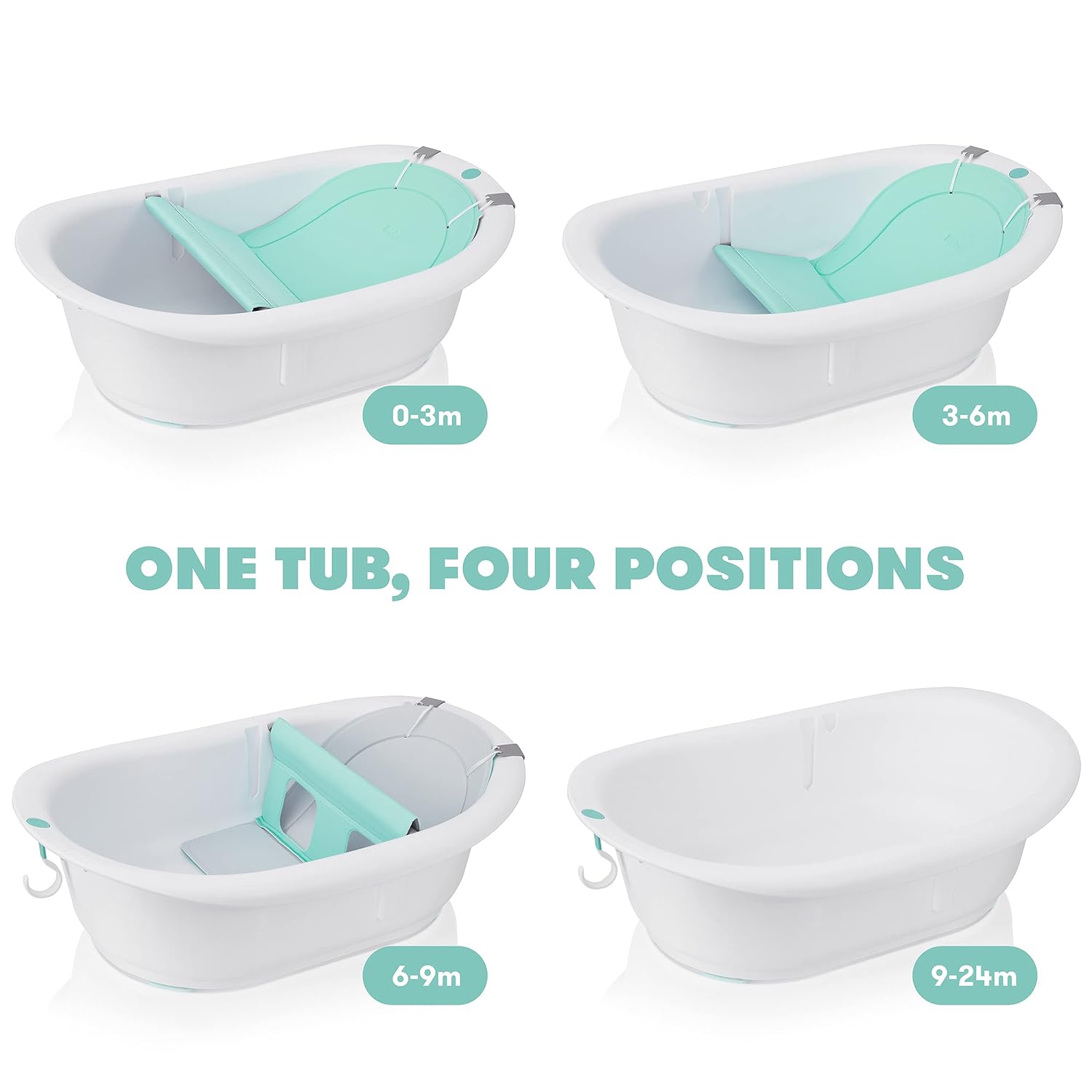
It features a smart sling that offers a cozy cradle during bath time for babies and a comfortable bath seat for infants or toddlers. To enhance safety, the smart sling seat bar and bath seat are included to ensure your baby stays securely in place during bath time.
Baby Play Gym

The Baby Gym Play Mat comes with nine removable toys that cater to the visual, hearing, and touch needs of a baby while supporting cognitive and physical coordination as part of their growth. These toys are instrumental in promoting sensory and motor skill development for the baby.
Baby Clothes

Choosing cotton clothes for the little one is a practical and thoughtful choice because they are soft, breathable, comfortable, and perfect for a baby’s sensitive skin. Additionally, they are machine washable and dryable which makes them very convenient for busy mums.
When shopping for the perfect baby shower gift in Ireland, consider both practicality and sentimentality. These top options are sure to be appreciated by any mom-to-be. They will help her feel prepared and supported on this journey into motherhood.
How Many Kilojoules a Day Should I Burn?

What is Kilojoules?
Kilojoules, often abbreviated as “kJ,” are a unit of measurement for energy. In the context of nutrition, kilojoules represent the energy content. It is essential to understand the number of calories we intake to maintain a healthy weight. By knowing the energy value per serving of various foods, we can make informed choices for our diet.
When we consume more kilojoules than we burn, the excess energy is stored as fat in our bodies. Conversely, if we burn more kilojoules than we consume, we create a calorie deficit that can lead to weight loss. It’s crucial to be mindful of the kilojoules we consume and expend daily. Only by doing so can we achieve our desired weight goals.
Factors that Influence Daily Energy Requirements
When determining how many kilojoules (or calories) you should burn each day to achieve weight loss, several factors come into play. These factors include:
- Body Weight: Heavier individuals generally require more energy to maintain their current weight compared to lighter individuals. Therefore, if you want to lose weight, you may need to burn more kilojoules to create a calorie deficit;
- Age: Metabolic rate tends to decrease with age. Older individuals may need to consume fewer kilojoules or increase physical activity to achieve weight loss compared to younger individuals;
- Gender: Men typically have a higher muscle mass and, consequently, a higher metabolic rate than women. This means that men may be able to burn more kilojoules to lose weight compared to women;
- Activity Level: Individuals who engage in regular physical activity will burn more kilojoules than those who are sedentary. Increasing activity levels can help create a larger calorie deficit and aid in weight loss;
- Metabolic Rate: Metabolic rate varies from person to person and is influenced by factors such as genetics, body composition, and hormonal factors. Individuals with a higher metabolic rate may find it easier to lose weight compared to those with a slower metabolism.
How Many Kilojoules Should I Burn a Day to Lose Weight?
To determine how many kilojoules you should burn in a day, it’s important to consider the above-mentioned factors. The general recommendation is to create a calorie deficit by burning more kilojoules than you consume.
A safe and sustainable rate of weight loss is typically around 0.5 to 1 kilogram per week, which translates to a daily calorie deficit of about 500 to 1000 kilojoules. This can be achieved through a combination of reducing caloric intake and increasing physical activity.
It’s generally not recommended to dip below a daily intake of 8,700 kilojoules for men and 7,400 kilojoules for women. This could potentially lead to nutrient deficiencies and metabolic slowdown.
If you’re unsure about how to calculate your specific kilojoule needs for weight loss, you may want to consult with a nutritionist.
Calculating Your Daily Kilojoule Requirement
Knowing your daily energy requirement is an important step in managing your diet and maintaining a healthy lifestyle. By using a calorie calculator, you can determine the amount of energy your body needs to function properly throughout the day. This information can help you make informed decisions about the foods you eat. Whether you’re trying to lose weight, gain muscle, or just maintain your current weight, it is key to achieving your health and fitness goals.
Several factors can influence your daily kilojoule requirement, including your age, weight, height, activity level, and metabolic rate. By inputting these variables into a calculator, you can get a personalized estimate of how many kilojoules you need each day. This information can help you create a meal plan that is tailored to your specific needs and goals.
Remember that your daily kilojoule requirement may change depending on your activity level and goals. It’s important to reassess periodically and adjust your intake as needed.

How Do We Determine the Energy Value of Food?
You can look at the nutritional information on food packaging or use online resources. The energy value of food is typically measured in kilojoules per serving. It can assist you in balancing your kilojoule intake and expenditure for weight management. By paying attention to the energy values, you can make healthier choices that support your overall well-being.
It’s also beneficial to familiarize yourself with common kilojoule values for different food groups. This will help you plan balanced meals that meet your energy needs.
- High-fat and high-sugar foods and alcohol contain the most amount of kilojoules;
- Protein and carbohydrates contain a modest amount of kilojoules;
- Fruits, vegetables, legumes, and dietary fibre contain lower amounts of kilojoules.
Strategies for Effective Weight Loss
When trying to lose weight, it’s essential to adopt strategies that promote a healthy and sustainable approach to achieving your goals.
- Focus on creating a calorie deficit: This means consuming fewer calories than you burn through physical activity and exercise. Monitoring your daily calorie intake can help you stay on track and make adjustments as needed;
- Incorporate regular exercise into your routine: This can help boost your metabolism, burn calories, and build muscle mass. Aim for a combination of cardio and strength training exercises to maximize your results. Additionally, be sure to stay hydrated throughout the day and prioritize getting enough sleep to support your weight loss goals;
- Plan and prepare your meals in advance: Focus on eating whole, nutrient-dense foods like fruits, vegetables, lean proteins, and whole grains. Remember, sustainable weight loss is a journey that requires patience and consistency, so stay committed to your goals and celebrate your progress along the way.
What is the Starvation and Weight Loss Myth?
It refers to the misconception that severely restricting kilojoule intake or skipping meals is an effective way to lose weight. In reality, depriving your body of essential nutrients and energy can have negative consequences on your metabolism and overall health.
While creating a kilojoule deficit is necessary for weight loss, it’s important to do so safely and sustainably. Crash dieting or extreme kilojoule restrictions can slow down your metabolism, leading to muscle loss and nutrient deficiencies.
To achieve lasting weight loss results, focus on creating a moderate kilojoule deficit through a balanced diet and regular exercise. By adopting healthy lifestyle habits and seeking professional guidance, you will embark on a successful weight loss journey.