
Gift Ideas for Mum Birthday

With a special occasion coming up, it can be overwhelming to choose the perfect gift. To help you out, we have put together a list of the best ideas.
Oil Diffuser
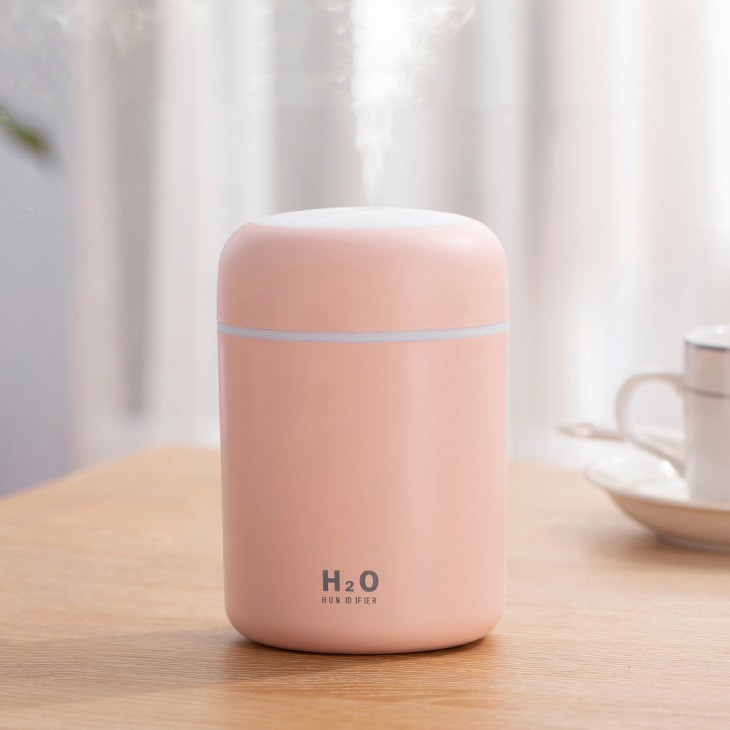
A pleasant smell of essential oil will create a relaxing atmosphere at your mum’s home. It’ll help refresh her living space and uplift her mood.
Pillow for Neck Pain
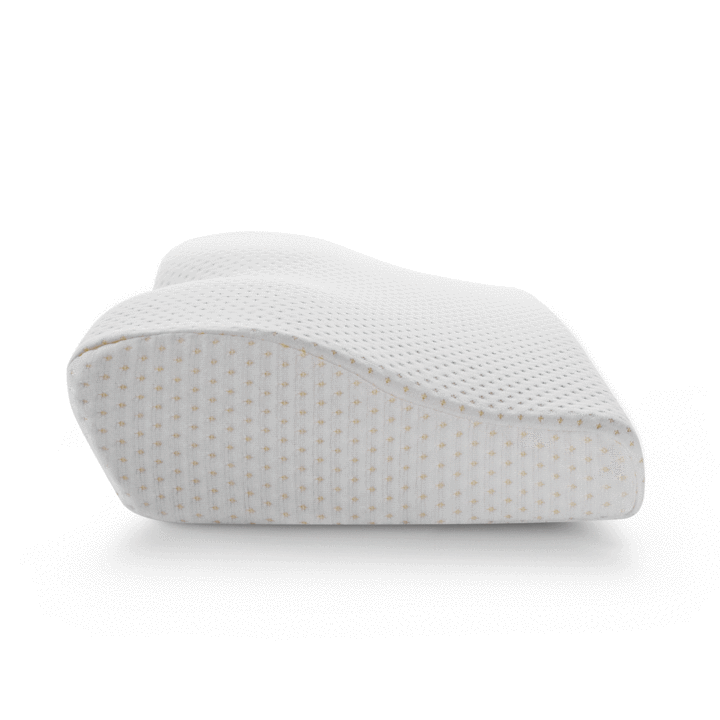
A gift that shows you care about her well-being. This pillow can provide much-needed support and comfort for those dealing with neck pain.
Weighted Blanket
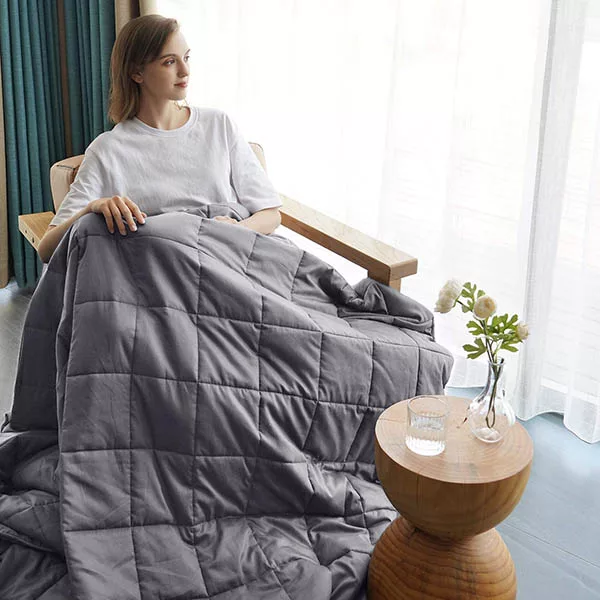
A weighted blanket is a luxurious gift that can help your mum feel calm and cozy. It is designed to provide gentle pressure, promoting relaxation and reducing stress and anxiety.
Orthopedic Contour Leg Pillow
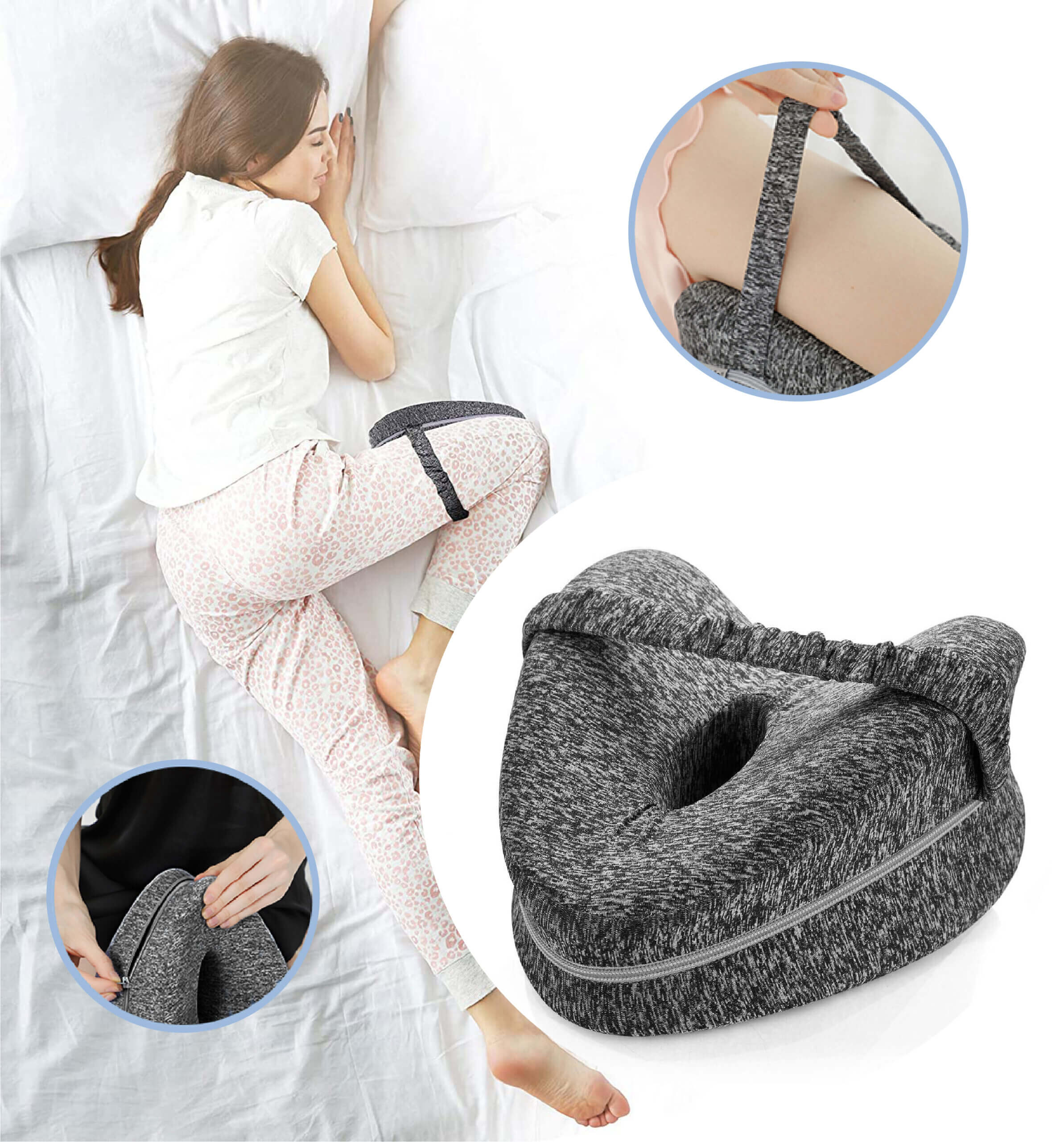
This gift is perfect for any mum who experiences discomfort in their lower back or hips. The pillow provides great support, helping to relieve pressure on the sciatic nerve. Your mum will appreciate the thoughtfulness and practicality of this gift.
Skincare Products

Treat your mum to a luxurious skincare set that will help her relax and pamper herself. Whether it’s a rejuvenating serum or hydrating moisturizer, she will appreciate the thoughtful gift. Look for products with natural ingredients and calming scents to create a spa-like experience.
Personalized Jewellery

This could be a necklace with her birthstone or a bracelet with her name engraved. Choose a timeless and elegant design that she can wear every day.
Tech Gadget

Surprise your mum with a device that will make her life easier and more convenient. Select a gadget that suits her interests, ensuring that she will regularly use it.
Spa Day or Massage
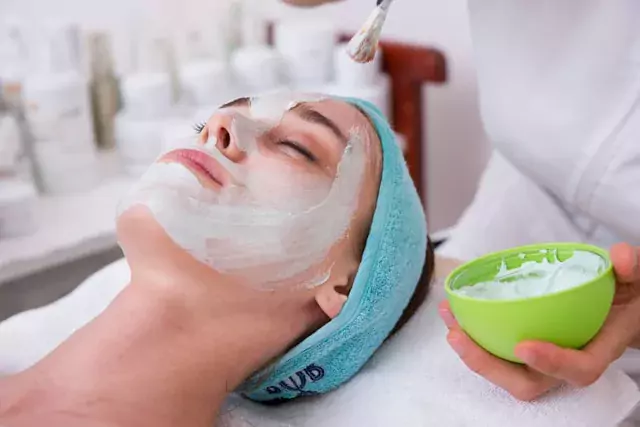
This will allow her to unwind and de-stress, taking a break from her busy routine. Choose a reputable spa or massage therapist that offers a range of treatments to cater to her preferences.
Lounge Robe

A plush robe with pockets and a tie waist will be a perfect gift. You can personalize it with her initials or a special message.
High-Quality Cookware
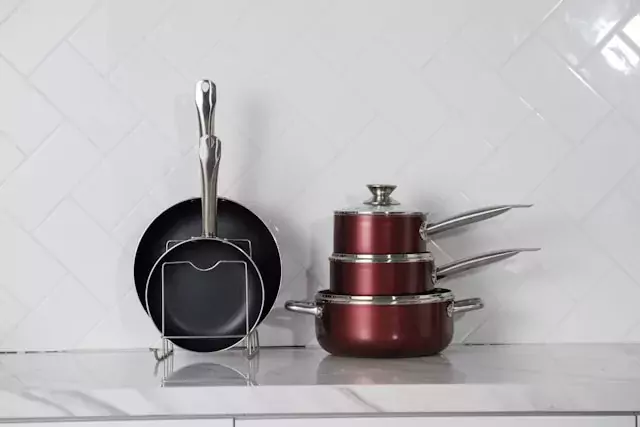
If your mum loves to cook, consider upgrading her kitchen. Look for durable pots and pans or innovative kitchen gadgets.
How to Lose Weight Fast

Losing weight can be challenging but achievable with the right approach and mindset. By following specific strategies, you can effectively shed those extra pounds and improve your overall health.
Practice Time-restricted Eating
One effective way to kickstart weight loss is by limiting your eating hours. This approach, known as intermittent fasting, can help reduce calorie intake. Studies have shown that this method promotes fat-burning and regulates hormones related to metabolism and appetite. By fasting for 14-16 hours daily, you can encourage your body to use stored energy, leading to weight loss. Eat by 6 or 7 pm and have your first meal around 8 or 9 am the next day. This will allow you to burn more calories and fat overnight.
To make time-restricted eating more manageable, focus on consuming nutrient-dense foods during your eating window. To fuel your body, include plenty of fruits, vegetables, whole grains, lean proteins, and healthy fats. It’s important to note that time-restricted eating may only suit some. Make sure to consult with a healthcare professional before starting any new diet or fasting regimen.
Cut Down on Empty Carbohydrates
Snacking throughout the day can quickly add up in terms of calorie intake. Foods high in refined sugars and white flour lead to quick spikes in blood sugar levels. It is usually followed by crashes that leave you feeling hungry and craving more food. By reducing your intake of these empty carbs, you can promote weight loss.
Instead, focus on consuming balanced meals. Choosing complex carbohydrates and high-fiber foods can help stabilize your energy levels and keep you feeling satisfied throughout the day. Healthier alternatives like whole grains, vegetables, and lean proteins will make you feel fuller for longer. They provide sustained energy, allowing you to reduce overall calorie intake.
Increase Physical Activities
Including regular exercise in your routine is essential for achieving and maintaining weight loss. Physical activity not only helps burn calories but also boosts metabolism and builds muscle mass. Aim for a mix of cardiovascular exercises like running or cycling and strength training exercises.
A study published in the National Library of Medicine has shown that combining diet and exercise is more effective for weight loss than either method alone. Increasing your physical activity levels can create a calorie deficit that helps you lose weight faster. Find activities you enjoy, whether it’s dancing, hiking, or swimming. Moreover, exercise can help reduce stress, improve mood, and increase energy levels.
Stay Hydrated
This is one of the simplest yet most effective ways to promote weight loss. Drinking water helps boost your metabolism and curb hunger. Additionally, staying hydrated can help you cut back on excessive eating. Drinking water before meals can create a sense of fullness, reducing overall calorie intake. It’s recommended to aim for at least 8 or 9 cups of water per day.
Include More Vegetables in Your Diet
Adding vegetables to your meals can increase the volume of your food without significantly increasing the calorie intake. This can create a sense of fullness and satisfaction, making it easier to stick to a healthy diet. Eat a colorful assortment of greens to get a wide range of vitamins, minerals, and antioxidants essential for overall health. Increasing vegetable consumption may reduce the risk of developing certain diseases.
Some ways to include more vegetables in your diet include:
- Adding vegetables to your omelets or scrambled eggs for breakfast;
- Enjoying a big salad with lots of different vegetables for lunch;
- Making vegetable-based soups or stews for dinner;
- Snacking on raw vegetables with hummus or salsa;
- Roasting vegetables with olive oil and herbs for a tasty side dish;
- Incorporating vegetables into your stir-fries or pasta dishes.
Take Control of Your Stress
When it comes to losing weight, many people focus on diet and exercise but often forget about the impact of stress. It can lead to emotional eating, hormonal imbalances, and decreased motivation to exercise. Stress triggers the release of cortisol, a hormone that can promote fat storage, especially around the abdominal area.
By taking control of your stress levels, you can improve your emotional and physical health. Find ways to alleviate stress, such as practicing mindfulness, meditation, or exercising. They can help prevent stress-induced weight gain and promote overall well-being. Relaxation will positively impact both your mental state and your weight-loss journey.
Sleep Well at Night
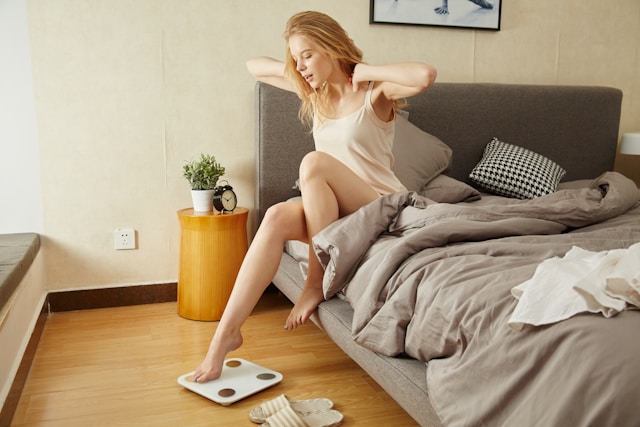
Quality sleep is crucial for achieving and maintaining weight loss. Lack of adequate sleep can disrupt hunger hormones, such as ghrelin and leptin, leading to increased appetite and cravings for high-calorie foods. Aim to get 7-9 hours of sleep per night to support your weight-loss goals.
Sleep deprivation can also affect metabolism, making it harder for the body to burn calories efficiently. You can optimize your body’s metabolic functions by establishing a regular sleep schedule and creating a restful sleep environment. Here are some tips to help you sleep well at night:
- Establish a routine;
- Create a peaceful sleep environment;
- Limit screen time;
- Practice relaxation techniques;
- Avoid caffeine and heavy meals before bed;
- Stay active during the day;
- Manage stress.
Adequate sleep contributes to better energy levels and overall well-being. It also plays a vital role in various physiological processes that support weight management.
Don’t Push Yourself
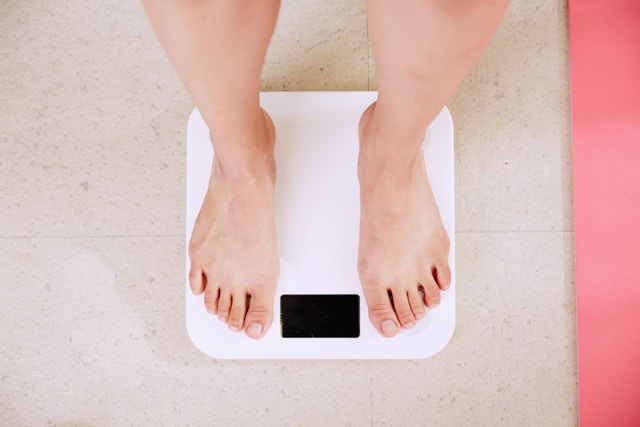
Losing weight can have a significant impact on your physical and mental health, so you need to approach it mindfully. Set realistic goals for yourself and take the time to create a healthy and sustainable plan for achieving them. Remember to focus on overall health rather than just numbers on a scale. Celebrate your successes, no matter how small, and don’t be too hard on yourself if things don’t go as planned.
ASMR for Sleep: An Unconventional Technique for Quality Rest

ASMR, or Autonomous Sensory Meridian Response, is a unique phenomenon a person may experience when exposed to certain sounds, visual patterns, or interactions. It often results in a tingling sensation accompanied by feelings of relaxation, similar to a peaceful meditation session or a warm, soothing massage.
A growing number of people are discovering that ASMR can naturally assist them in falling asleep faster and more peacefully. The pacifying effects and mind-soothing properties lead to an enhanced state of tranquility, which is ideal for quality rest and rejuvenation.
ASMR Triggers and Brain Responses
To truly grasp the concept of ASMR, it’s crucial to delve into its triggers and the brain’s reactions to them. ASMR triggers can vary widely from one person to another, but all aim to elicit a soothing response. Some common ones include quiet whispers, soft sounds like paper rustling, and careful hand movements. Others might include watching someone perform a task methodically or receiving personal attention, such as a hairdresser styling your hair.
When these stimuli occur, the brain reacts in a specific manner. The sensory input causes a flurry of activity, starting with areas associated with vision and sound. Further, the mild stimuli promote calmness and a state of peace. This brain response differs from our normal reactions to stimuli, making ASMR a unique phenomenon.
Research Highlighting the Sleep Advantages of ASMR
Scientists have started to explore the potential sleep benefits of ASMR, and their results are encouraging. One significant study shows a strong tie between ASMR and superior sleep. The participants, who experienced ASMR sensations, reported a considerable improvement in their slumber quality, strengthening the argument that it can produce a beneficial, calming effect conducive to a peaceful night’s rest.
Delving deeper into why ASMR can assist with good sleep requires understanding the concept of relaxation. ASMR triggers often mimic gentle stimuli associated with care and comfort. These soothing elements can help reduce tension and anxiety levels. The less stress we experience, the easier it is for us to fall into a peaceful slumber.
Different Forms of ASMR Techniques
- Whispering: This is one of the more recognized techniques. This strategy employs hushed voice tones, which can sometimes be unintelligible or include soothing words;
- Personal Attention: This includes situations like a haircut or an eye exam where the individual feels important and cared for. The goal is to create a sense of comfort, reducing stress levels;
- Tapping and Scratching: Tapping and scratching offer unique auditory stimuli in the world of ASMR. It could be the soft tap on a wooden surface or gentle scratching on textured materials. These rhythmical sounds create a hypnotic effect which can lead to drowsiness;
- Role Play: By creating scenarios — say, visiting a spa or staying at a luxury hotel — the ASMR artist stimulates the imagination, engenders relaxation, and promotes uninterrupted slumber. This hands-on approach heightens the overall sensory experience, encouraging natural rest patterns to emerge.

Tips for Beginners
For those new to ASMR for sleep, figuring out what works for you is essential. Each person’s reactions to ASMR sensations can differ. Start by exploring a variety of stimuli.
Incorporating ASMR into a consistent sleep regime can enhance its effect. Find a tranquil spot where you will not be disturbed and play an ASMR video or audio of your choice. Ensure the brightness of your device is dim and the volume is at a level suitable for inducing sleep. Listen and relax until you notice yourself drifting off to sleep.
Remember, the goal of ASMR is to make you feel at ease and foster restful sleep. Try a variety of stimuli, artists, and incorporation techniques until you find what helps you the most.
Potential Risks and Misunderstandings
A common misconception about ASMR is that it is a sleep disorder. Some mistake the tingling sensation for a medical problem, but research indicates it’s a response to specific stimuli, not a sign of any disease.
ASMR is not meant to be a substitute for professional treatment or advice. Its intention is to induce relaxation, not cure diseases or solve severe mental health concerns.
Various myths are also linked to ASMR, like the idea that it’s connected to paranormal activities or hypnosis. Such beliefs stem from a lack of understanding and a misinterpretation of what it truly entails. It does not involve any mind manipulation or link to supernatural phenomena; it is solely a relaxing technique.
In conclusion, while ASMR for sleep may seem an unusual approach to attaining restful slumber, the potential benefits are worth considering. Each individual’s sensory response is different, providing an array of tones and visuals to explore. It’s fascinating how something as simple as a whisper or tap could transform your bedtime routine.
Frequently Asked Questions
How does ASMR work for sleep?
ASMR triggers stimulate a tingling sensation in the scalp and neck area. This sensation promotes a sense of calm and aids in falling asleep.
Where can I find ASMR videos?
You can find ASMR videos on platforms like YouTube. These videos are specifically designed to help you sleep better.
Can it replace medical advice?
No, this technique should not be used as a replacement for medical advice. If you are experiencing chronic sleep issues, it’s important to consult with a healthcare professional.
Is it suitable for everyone?
ASMR is generally suitable for most people. However, if you are sensitive to certain noises, you may want to explore different types of such videos to find the ones that work best for you.
Are there any precautions I should take?
It’s important to create a safe and comfortable environment before using ASMR. Make sure you are in a relaxed setting, free from distractions, and set an appropriate volume level for your own comfort.
Authored by Dr. Olivia Howard, a dedicated sleep specialist and medical practitioner, she uses our platform to offer insights and simplify complex health topics for readers.
How to Sleep Sitting Up: Strategies for Comfort and Rest

Sleeping while seated isn’t commonplace, but it’s crucial under certain conditions. Being familiar with this posture for sleep can come in handy during travel or in confined spaces with limited room to recline. It can also be a solution for people experiencing specific health problems, making it challenging to lie down.
Understanding the Basics
Let’s dive into the science behind why we can snooze in an upright position. When we slip into a state of slumber, our muscles relax but don’t completely lose function. That allows us to maintain body posture, whether lying down or sitting up.
Doctors say that upright rest may benefit those with certain conditions, like sleep apnea or heartburn. But for others, it might cause neck or back discomfort due to unsupported posture. Therefore, it’s important to get advice from health professionals tailored to individual needs.
If we compare the traditional sleeping position to sitting up, lying down spreads body weight evenly for comfort and supports the spine’s natural curve. But this doesn’t mean you can’t obtain quality slumber while sitting up if done correctly. Much depends on the individual, their health, personal comfort, and the environment.
Preparations
Preparation plays a crucial role in achieving good rest, even in a sitting position. Commence with identifying the best postures that offer adequate support to your neck and back. Choose an upright stance, ensuring the spine remains straight, reducing discomfort and potential pain.
Your environment also needs careful appraisal. A tranquil, dimmed space often enhances the chances of falling asleep. Consider using an eye mask or earplugs if you can’t change the lighting or noise level.
Lastly, think about your attire. Tight-fitting clothes may hinder circulation and lead to discomfort. Opt for loose, breathable fabric to promote a better sleep experience. Remember, comfort is paramount, even when sleeping in unconventional positions.
Helpful Equipment
Aiding your slumber while sitting up, certain tools can provide additional comfort and support.
- Neck supports: Such travel pillows are designed to cradle your head, keeping it from lolling about, and aid in neck comfort. Filled with foam or beads, they come in a variety of forms suitable for various restful positions;
- Blankets: Light coverings not only keep our bodies at a warm temperature but can also create a sense of security and coziness. Some people might also find solace in a soft shawl or a large scarf. Be aware, though, that too thick a blanket might cause discomfort by raising your body temperature;
- Headphones and masks: These handy devices can help drown out the surrounding commotion or light, providing an environment more conducive to sleep. Noise-canceling headphones cover your ears and erase undesired sound waves, letting you enjoy silence or more serene sounds. Sleep masks, on the other hand, cover your eyes to block unwelcome light, aiding in increasing levels of melatonin, a hormone that regulates sleep.
Expert Tips
Maintaining comfort while sleeping in a sitting position can seem hard, but experts have tips that may help. Regarding hydration, drink adequate liquids during the day, but reduce intake a few hours before sleep to minimize bathroom trips. Speaking of meals, avoid heavy or spicy foods just before rest. These can trigger discomfort or digestion issues. Instead, opt for a light, healthy snack.
When picturing rest in areas busy with people, caring for your safety is essential. Secure personal items before drifting off. If available, choose a spot near security personnel or under surveillance cameras. This area, if possible, should also have soft lighting that will not hinder your rest.
Lastly, duration matters in your upright slumber. Medical professionals advise not to overly rely on this rest mode. Long-term, it may strain your neck or create other health concerns. If seated sleep is inevitable, alternating between this and traditional lying-down sleep may help avoid potential issues. Always remember the quality of rest impacts your overall well-being, so aim to strike a balance between necessity and comfort.

Exercises and Stretches
Comfort while sleeping is crucial, and this can be improved even while seated. Simple, beneficial activities before heading to bed can promote relaxation and help your body adjust to the change.
- Stretches: Nighttime stretches play an important role in preparing your body for peaceful sleep. These movements target stiff muscles, often relieving tension brought about by a whole day of activity. Gentle neck rolls, a soft shoulder roll, or a soothing spine twist are great options. Performing these exercises slowly and carefully can help your body drift into a calm state, ready for sleep;
- Physical Activities: Even when seated, it’s important for blood to circulate well throughout your body. You don’t want to wake up feeling numb or cramped. Try some straightforward stretches that target your legs, such as light calf raises or foot circling. These don’t require much space, but they can actively contribute to your comfort, making sleeping in a chair a more restful experience.
How to Adjust
Switching from a flat position to dozing upright can be quite a change. Thus, it’s important to take a few steps to smooth out this process. Firstly, begin by practicing your seated sleeping during short daytime naps. This allows you to get a feel for it without interrupting your full night’s rest. After you’ve become comfortable with small naps, you may gradually extend the duration until you can sleep an entire night while seated.
Next, it’s vital to create a routine that promotes comfort. As mentioned above, start by using supportive pillows and establish a steady pre-sleep practice. This can help signal to your body that it is sleep time, even when seated. Over time, your body will start associating these habits with sleep, easing the adjustment process.
In case of discomfort, remember to stand up, move around, or change sitting positions every once in a while before sleep. Keep in mind that it’s vital not to quickly disregard any continued uneasiness – listening to your body is crucial. Remember, adjusting to sleep while seated is a gradual process, so practicing patience is part of the journey toward a successful transition.
Frequently Asked Questions
Is it good to sleep upright?
Sleeping upright can be beneficial for certain medical conditions, such as acid reflux or sleep apnea. However, it is not the ideal sleep position for everyone. It is important to find a position that allows you to get enough sleep and feel rested.
What is the best way to sleep sitting up?
The best way to sleep sitting up is to find a comfortable and supportive position. Use a neck pillow or rolled-up towel to support your neck and keep your head in a neutral position. It is also recommended to use a lumbar roll or rolled-up towel to support your lower back.
Can sleeping upright cause deep vein thrombosis?
Sleeping upright is generally not associated with deep vein thrombosis (DVT). DVT is more commonly associated with prolonged sitting in a cramped position, such as during long flights or car rides.
What are the cons of sleeping sitting up?
Sleeping sitting up can have some disadvantages. It may lead to poor sleep quality, increase the risk of neck pain and discomfort, and disrupt your natural sleep cycle. It is best to consult with a healthcare professional to determine if sleeping sitting up is suitable for your needs.
How can I sleep in a seated position without discomfort?
To sleep while sitting upright without discomfort, try using additional support, such as pillows or cushions, to provide proper neck and back support. Try to sleep in different positions until you find a comfortable arrangement that allows you to sleep more peacefully.
Health Benefits of Using Magnetic Insoles
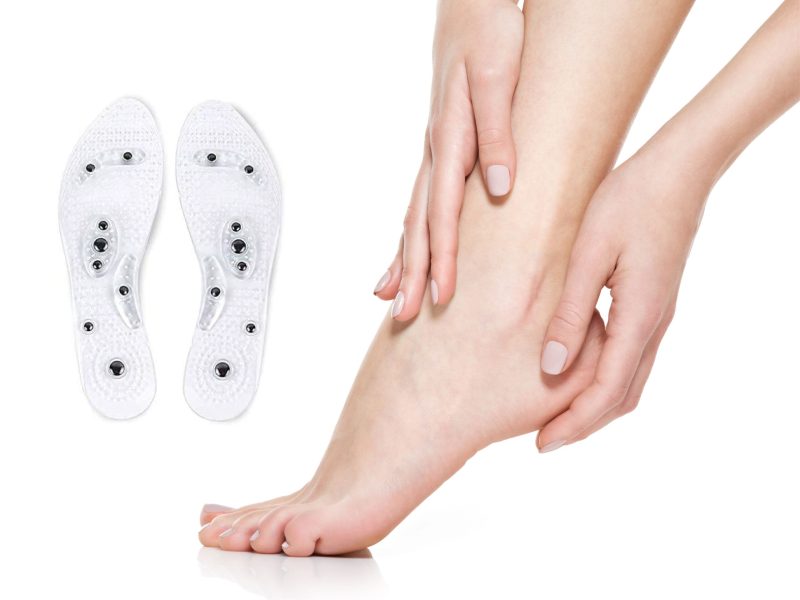
Magnetic reflex insoles are made with high-quality materials and are equipped with integrated magnets that, relying on magnetic field technology, give the feet a self-massage that affects nerve endings leading to different organs, relieving suffering and stimulating regeneration.
In addition to having no contraindications but only benefits, the magnetic reflex insoles insole is made up of a hypoallergenic and breathable microfiber structure that guarantees the foot remains dry and in perfect health. Most magnetic insoles are made using flexible shock-absorbing anti-stress gel and are on average 29 cm high, which makes them adjustable to suit your liking, size, and type of shoe.
Magnetic insole, being made with a magnetic field technology, follows the principles of plantar reflexology, according to which every organ, gland, nerve structure, and joint corresponds to specific points of the foot or rather the sole. A light massage produces therapeutic effects. Magnetic reflex insoles are recommended for relieving some health problems, such as migraines, asthma, back pain, indigestion, and chronic pain.
Magnetic Insoles Benefits
The magnetic reflex insoles affect the nerve impulses through a gentle pressure that improves the health of all organs and the general well-being of the whole organism. On the other hand, the importance of the feet and their function of supporting the torso and back cannot be underestimated either. If in poor health, this part of the body triggers the onset of other diseases or certain disorders.
But what are the benefits that the use of the magnetic reflex insoles has on the body? Using the same mechanism as plantar stimulation, the insole acts on different parts of the body, offering effective and lasting benefits. Let’s see which ones.
Improvement of Blood Flow
The gentle pressure of the magnetic protrusions on certain points of the foot stimulates, even during a simple walk, the micro-circulation that allows oxygenated blood to flow into all peripheral parts of the body. This stimulation helps to reduce and prevent the annoying feeling of heaviness in the legs, as well as the feeling of swelling caused by a slowdown in blood circulation.
Reduction of Muscle and Joint Pain
Any person has experienced or often experiences joint or muscle pain caused by poor posture, fatigue, or heavy work, chronic and unbearable pain that prevents the natural performance of any task. The use of the magnetic insole offers, through a foot massage, the elimination and reduction of these feelings of discomfort, which by stimulating the natural efficiency of the organism give the whole body a pleasant relaxation throughout the day.
Migraines and Stress Trauma
Like foot reflexology, the magnetic reflex insoles are also able to relieve trauma related to stress, strains, migraines, and indigestion. This functionality is linked to the fact that a precise point on the sole corresponds to a certain organ or limb that, when stimulated through a simple pressure, offers benefits for example to the neck, shoulders, or organs such as the liver, stomach, the digestive system, and many others.
Posture Correction
Back pain is very often linked to poor posture, a problem that afflicts many people. The causes can be many and also related to the type of shoe you wear, as well as to the sedentary lifestyle that you are forced to do in the case of a job that requires the use of a computer. In this case, the magnetic insole can help relieve pain allowing the back to no longer ache or tired to find the right balance.
Metabolism and Body Weight
The insoles are made with shock-absorbing anti-stress gel that allows not only to walk for a long time by regulating the temperature of the plantar area at every step but offers the body a metabolic acceleration able to help lose weight and restore weight to the right shape and harmony.
Magnetic Reflex Insoles Reviews
“Extremely satisfied”, “unique sensations”, and “excellent quality of materials” – these are just some of the many opinions of those who have already purchased and tried magnetic insoles. Mostly, these are consumers who bought magnetic insoles for themselves, for parents, or those who purchased the product for simple curiosity and were amazed at the results. The general outcome is that daily use of magnetic reflex insoles promotes the long-lost feeling of well-being.
Others purchased magnetic soles to relieve the annoying back pain caused by muscle strains or even to reduce post-surgery pain. Some buyers also speak of an additional advantage, that of eliminating pain by avoiding having to resort to various treatments that are often too expensive. They are therefore all positive reviews derived from the benefits and satisfaction obtained by the people who tested the innovative magnetic insoles.
The Potential of Magnetic Insoles: Comprehensive Study
In recent years, there has been an increasing interest in the use of magnetic devices for the treatment of various health issues such as pain, and sensory, and motor dysfunctions. Despite the wide acceptance and adoption, scientific explanations and validations regarding the effectiveness of these magnetic applications remain scarce. This study aimed to investigate this arena by examining the effectiveness of magnetic insoles on postural sway measures during a single application.
The study consisted of twenty-eight adults, categorized into two groups – older and younger. They performed a static two-legged stance test, a condition that tests postural sway measures, under two treatment scenarios, with magnetic insoles and non-magnetic ones. Participants’ sway measures while wearing both types of insoles were then critically analyzed.
Significant findings were noticed among the older adults while standing on the magnetic insoles. There was a noticeable reduction in total sway area and lateral sway scores in this group. This was a noteworthy finding as it reinforced the potential positive impact on postural instability among older adults.
FAQ
Do magnetic insoles help you lose weight?
There is currently no scientific evidence supporting the claim that magnetic insoles can help in weight loss.
Can you wear socks with magnetic insoles?
Yes, you can wear socks with magnetic insoles. They do not interfere with the function of the insoles.
How do you put magnetic insoles on shoes?
To put magnetic insoles in shoes, you simply place them inside the shoe similar to a regular insole. Some may need to be sized according to your shoe so they fit properly. They should be positioned so that the magnetic side faces the foot.
Chaga Mushroom: Health Benefits and Therapeutic Effects

Stepping into the fascinating world of superfoods and natural healing, one repeatedly collides with a special mushroom called Chaga. Often dubbed the ‘Diamond of the Forest’, the Chaga mushroom has been recognized and esteemed for its profound health benefits and therapeutic properties across several cultures. Historically, the use of these mushrooms in traditional medicine traces back hundreds of years, with roots in Siberia, Russia, and parts of Northern Europe. They were fundamentally used to boost immunity, enhance digestive health, and as potent anti-inflammatory agents. In Ireland, it is typically enjoyed as a refreshing tea, consumed as a supplement available in various forms – powder, capsules, or tablets, and even infused into coffee, creating a unique brew popularly known as “mushroom coffee”. In this blog post, we delve into their health benefits, therapeutic effects, and their role in the context of modern, busy lives.
What is Chaga Mushroom?
Chaga (Inonotus obliquus) is a unique type of mushroom, loaded with antioxidant properties resembling a dense mineral content. The harsh environments are a nurturing ground for these fungi, leading to the development of unique, resilient adaptogens that elevate their health potential. Each mushroom acts as a powerful package of vitality, packed with antioxidants, essential minerals, and other beneficial compounds.
How is it Used?
They can be consumed in numerous ways, with Chaga tea holding a coveted spot as one of the most favored choices in IE. To prepare tea, simply simmer small pieces of ground Chaga in water for an extended period, strain the liquid, and enjoy. It, known for its Chaga tea benefits, will have a mild, earthy taste, and can be sweetened with honey or enhanced with other herbs if desired.
Another option is mushroom coffee, which involves blending ground mushrooms with coffee beans – an increasingly popular choice in IE, particularly among those looking for a more “functional” coffee experience. Furthermore, to make a tincture, blend Chaga powder with alcohol, and let it sit for around 4 weeks.
For those who prefer supplements, Chaga is available in powder, capsule, or tablet form. The recommended dosage can differ based on individual needs and the specifics of the supplement in question. It is critical to seek advice from a healthcare professional or adhere strictly to the manufacturer’s guidelines to ensure safe and effective usage.
What Does it Contain?
Chaga mushrooms serve as a rich reservoir of phytochemicals, phytonutrients, and vital minerals like zinc, copper, and manganese, offering a wealth of nutritional value in every bit. They are also replete with beta-glucans, a distinctive type of soluble fiber celebrated for empowering the immune system. Furthermore, Chaga is the proud harbinger of superoxide dismutase (SOD), an incredibly potent antioxidant renowned for championing various health benefits.
Chaga Health Benefits
The strides in modern science and nutrition studies have brought to light the impressive panoply of health benefits that these potent mushrooms can offer.
Cancer Prevention and Treatment
Chaga mushrooms have stirred significant interest within oncology circles, with numerous animal and in-vitro studies indicating their potential in decelerating cancer cell proliferation. Their antioxidant properties, especially triterpenoid compounds, are considered the major drivers of these beneficial effects. These promising studies showcase their potential therapeutic applicability in battling various types of cancer, encompassing breast, colon, lung, and metastatic cancers. Nevertheless, it’s imperative to underline that definitive confirmation of these encouraging results awaits further human clinical trials.
Immune System Support
Chaga have gained recognition for their ability to bolster the immune system. Research indicates that they can stimulate the production of key immune cells like T lymphocytes and cytokines. These vital components aid in defending our bodies against infections and diseases, verifying their role in fortifying overall immunity. This makes these mushrooms a promising dietary addition for those looking to improve their overall immune system function.
Antiviral Properties
They have also been studied for their antiviral effects, particularly on HIV and hepatitis C (HCV). Some studies have demonstrated promising results in inhibiting viral replication in cells, suggesting potential for the development of antiviral drugs or therapies based on mushroom compounds. Nonetheless, these findings remain preliminary and necessitate more extensive research to draw concrete conclusions regarding their real-world implications.

Inflammation Reduction
Another noteworthy health benefit of Chaga mushrooms lies in their ability to reduce inflammation in the body, specifically in the gut and colon. Their antioxidant properties play a significant role in helping control chronic inflammation-related conditions, like ulcerative colitis, and may offer relief to individuals suffering from such ailments. Further research on human subjects is needed to confirm these findings fully.
Blood Sugar Management
Chaga mushrooms have demonstrated the potential for reducing blood sugar levels in people with diabetes. Chaga contributes to improving insulin resistance, enabling the body to utilize insulin more efficiently. This action aids in maintaining optimal control of blood sugar levels, fostering overall health and well-being. The polysaccharides found in these mushrooms are thought to be primarily responsible for these blood sugar management properties.
Chaga and Blood Pressure
High blood pressure is a pervasive health concern impacting millions globally. Notably, they are under scientific observation for their speculated influence on managing blood pressure levels. These mushrooms are a treasure trove of antioxidants, specifically laden with an antioxidant variant known as superoxide dismutase (SOD). Current research implicates these compounds in promoting cardiovascular health, which might extend to mitigating high blood pressure.
Cholesterol Management
Chaga extract may help reduce LDL cholesterol levels, which is beneficial for cardiovascular health. It contains compounds that can help to reduce the formation of cholesterol clumps in the body, leading to reduced “bad” cholesterol levels.

Therapeutic Effects
These mushrooms offer numerous therapeutic effects, including but not limited to combating harmful bacteria, viruses, and free radicals. Their polysaccharide content is also known to support overall wellness.
Improves Physical Endurance
Chaga has shown promise in improving physical endurance through increasing glycogen storage in the muscles and liver and reducing lactic acid levels in the bloodstream. These preliminary findings suggest they could potentially aid in enhancing stamina and reducing recovery time after exercise.
Potential Applications in Skincare Products
They are a powerhouse of melanins – natural pigments that shield our skin cells from the damaging effects of UV radiation. The antioxidant properties of mushrooms amplify chaga benefits for skin, making them a potential ingredient for skincare formulations. These benefits could extend to mitigating signs of aging, protecting against sun-inflicted damage, and bolstering overall skin health.
Chaga Mushroom Side Effects
Despite its numerous benefits, some side effects and potential risks exist.
- It may interact adversely with specific drugs. Those on blood-thinning medication should exercise caution due to its potential anticoagulant effects;
- Chaga mushrooms may potentially interact with certain medications, including those prescribed for diabetes, blood clotting conditions, and autoimmune diseases like rheumatoid arthritis;
- In certain instances, due to their high oxalate content, they could potentially induce kidney damage, especially when consumed in substantial quantities. It is essential to exercise caution and consult with a healthcare professional before incorporating Chaga into your daily routine;
- Pregnant and breastfeeding women should avoid it due to the lack of conclusive safety data. It’s crucial to respect the recommended dosage and precautions when using this traditional medicine to ensure safety;
- Finally, there is a lack of human clinical trials and standardized dosages for Chaga, meaning more research is needed before definitive health benefits can be established.
7 Facts About Neck Pillow You Should Know Before Buying
In our fast-paced world, neck pain has turned into a common ailment. The hustle and bustle of life, coupled with our growing dependency on technology, have led many of us to develop poor postural habits that frequently result in discomfort. While we are quick to blame our daytime activities for this, one overlooked factor is the quality of the neck support we receive during our sleep – precisely, our pillows. Yes, your pillow, the kind you use, and how you use it, maybe the culprits behind your chronic neck pain or discomfort.
Now imagine this: you wake up with significantly reduced or entirely no neck pain simply due to choosing the right neck pillow. Sounds dreamlike? Well, it is possible with the correct understanding and selection of cushions. This blog will help you discover seven crucial facts that could potentially be your solution to a good night’s sleep, free of neck pain. With this comprehensive guide, we promise that the phrase ‘pillow talk’ will take on a whole new meaning for you!
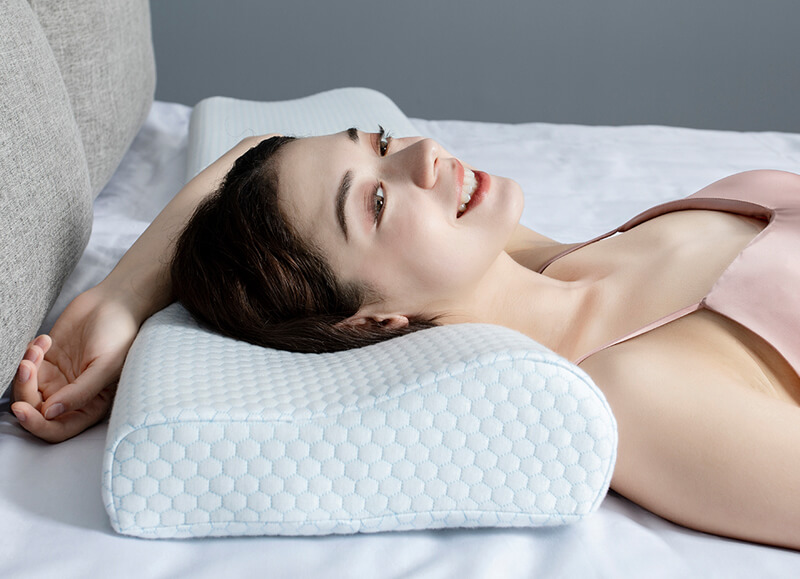
Neck pain, often resulting from poor posture, muscle spasms, or stress, is a condition that can affect anyone bending over a desk or looking down at a device all day. However, this pain isn’t limited to our waking hours. Incorrect sleep positions and inappropriate pillows can exacerbate the discomfort. For instance, stomach sleepers often struggle with maintaining the natural alignment of the spine, leading to neck stiffness that can graduate to chronic aches.
Fact 1: Different Types of Neck Pillows
The variety in neck cushions — from standard contour pillows to specific designs like cervical and orthopedic pillows — provides a host of choices. They accommodate different sleeping positions, ensuring restful sleep and pain relief. Memory foam pillows are excellent for side sleepers and back sleepers, as they adjust to the individual’s head and neck curves. In comparison, inflatable ones, which are easy to adjust and carry, are handy for long trips.
Fact 2: Correct Alignment is Key
A night’s sleep free of pain and discomfort is the outcome of a harmonious relationship between your body and the sleeping surface. Essential to this harmony is correct alignment — specifically, the proper alignment of your neck and spine. A neck pillow is an anatomically designed structure that contours to the individual’s neck’s natural shape when lying down. The key to their effectiveness is their ability to facilitate proper alignment of the cervical spine, your head, and the rest of your body. They cradle the neck and fill in the gap between the neck and the mattress. Their strategic structuring provides comfort and simultaneously maintains this crucial alignment, resulting in sleep improvement.
However, ignoring this alignment doesn’t bode well for your body. For instance, sleeping on an excessively high or firm cushion can result in the head being situated unnaturally high, causing neck strain. Conversely, a pillow that is too soft or low does not provide ample support, resulting in a neck slouch. In either case, the neck and the spinal cord are not aligned suitably, leading to muscle tension, poor neck posture, and, potentially, interrupted sleep due to the discomfort caused by these positions. Prolonged exposure to such misalignment could result in chronic neck pain, tension headaches, and other musculoskeletal troubles.
Fact 3: The Role of Material in Comfort & Support
They are made up of a range of materials, each with a unique set of properties. Traditional fill materials such as down feathers and polyester fibers are soft and offer decent support but can lose their shapes over time and lack proper neck contouring. Buckwheat hulls are natural, adjustable, and allow air circulation for cooler sleep, but they may be too firm for some.
In recent times, memory foam has been the material of choice for many neck pillows for its unique contouring property. It adjusts to the shape and pressure of one’s head and neck, providing personalized comfort and support, ensuring that the neck is neither straining upward nor drooping downwards.
The choice of material can significantly affect comfort and support. The right material can mold to your neck’s natural curve, helping maintain the correct alignment, thereby enhancing the support. This, coupled with the material’s softness, texture, and even temperature regulation, can greatly affect your comfort level, hence the importance of considering your personal needs and preferences when selecting a material. Choose wisely, because the material matters!
Fact 4: Design Matters
The design is a major factor that influences the support it can offer to maintain the cervical spine’s natural contour. There is a myriad of designs that cater to various sleeping positions while focusing on mitigating neck pain. A prime example is the contour pillow. It has a unique design that comes with a curved design that snugly fits the space between the head and shoulders while maintaining the alignment of the spine.
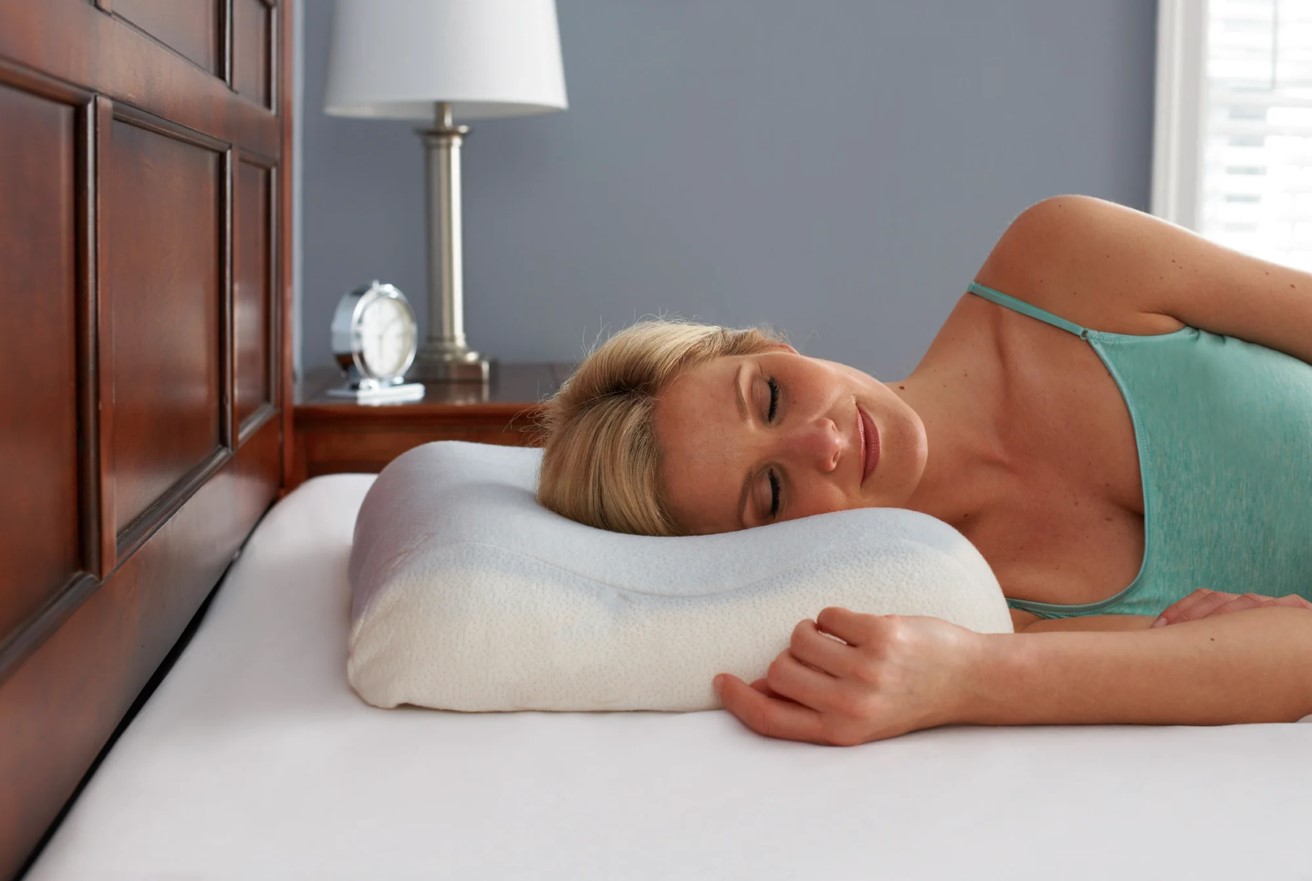
For side sleepers, a neck pillow with a higher loft can help fill the gap between the shoulder and the neck, providing ample support and preventing neck strain. Conversely, back sleepers typically benefit from a cervical cushion with a specially designed depression in the middle. Remembering that design does indeed matter can be a game-changer when selecting your next pillow. It’s vital to familiarize yourself with various designs and understand what each offers. Through trial and error, find the design that suits your preferences and sleeping style.
Fact 5: The Importance of Size and Firmness
Choosing a neck pillow isn’t just about picking the fluffiest one or the one with an appealing color scheme. Size and firmness are two crucial factors that have a significant impact on support and comfort, affecting your sleep quality and possibly your neck pain. A cushion too high or too firm can cause neck strain; however, a too soft or low one might not provide sufficient support. For example, back sleepers might prefer medium firmness for natural spinal alignment, while side sleepers need a firm pillow for neck and head support between the shoulder blades.
Remember, our bodies are unique; what might work for one may not work for another. Personal comfort plays an imperative role in choosing firmness.
Fact 6: Durability and Maintenance
You should consider factors like durability and ease of maintenance in the decision process. These factors directly impact the pillow’s performance over time, affecting your sleep quality and the management of your neck pain.
A durable neck pillow means consistent support and comfort for a longer period. Factors, such as the quality of the materials used, their resilience to wear and tear, and the overall construction, contribute significantly to its longevity. For example, natural latex and high-density memory foam pillow tend to retain their shape and elasticity for a more extended period as compared to feathers or polyester fiber ones.
Alongside durability, ease of maintenance is equally important. Cushions gathering allergens and dust mites over time can lead to an uncomfortable, and possibly unhealthy, sleeping environment. As such, being able to clean your pillow conveniently becomes crucial.
There are, however, ways to upkeep your neck pillow for optimal lifespan. One method is using washable removable covers that can keep it clean and protected. Regular airing and fluffing can also help maintain the shape and firmness level. Always adhere to the care instructions provided by the manufacturer. For certain materials like feather or buckwheat hulls that require more careful cleaning, professional cleaning may be ideal.
Fact 7: Trustworthy Reviews
In a diverse market flooded with bedding options, several brands, types, and models of neck pillows, identifying the right product can be a daunting task. Real-life experiences shared through reviews or comments act as valuable guidelines, offering insight into its basic comfort, quality, and durability. They allow you to gauge aspects like actual comfort, durability, effectiveness in pain management, and even potential product issues. Also, reviews often touch upon the essential but non-technical aspects, like the smell, ease of maintenance, customer service experience, and much more, adding a comprehensive touch to your research.
Customers often share their transformative experiences. Many have reported significant relief from chronic neck pain, attributing it to the right combination of support and comfort our cushions offer. One user mentioned, “It takes a few nights to get used to, but once you do, it’s a game-changer. My neck pain has dramatically reduced”.
Understanding the seven crucial facts about neck pillows is instrumental in alleviating neck pain and ensuring sleep quality and overall health. A wise investment in the right one can pave the way for pain-free nights and productive days. Start now, make an informed choice, and sleep your way to a healthier life.
Source
How Using a Back Support Belt for Gardening Can Save Your Back

When embarking on any gardening venture, you should prioritize your well-being, especially when it comes to the heavy labor that can strain your back. A crucial tool that can help alleviate this problem is a back support belt.
How Gardening Affects Your Back
To fully grasp how a back belt benefits you, it’s important to understand the impact of gardening activities on your back. Tilling the soil, planting, weeding, and pruning all involve a good deal of physical effort. These tasks often require bending, lifting, twisting, and kneeling, which can result in severe strain on your back muscles.
Complications may arise when this strain becomes too intense. A common affliction among gardeners, for instance, is a condition called Lumbar Strain that affects the muscles and ligaments in the lumbar region. Another prevalent issue is the Herniated Disc. This problem occurs when the soft center of a spinal disc pushes through the tough exterior casing, leading to discomfort or even intense pain. Awareness of these issues is key to taking the necessary steps to prevent such injuries and ensure a pain-free experience.
The Role of Lumbar Support in Gardening
When you garden, you might not notice that you are hunching over or lifting heavy items incorrectly. These are the kinds of activities that can hurt your back. The principle behind lumbar support is to reduce the stress on your spine. It offers physical support to your mid and lower back regions, the parts mostly in distress during gardening work. Wrapping around your waist and providing gentle pressure, reduces the chance of you bending your back in an unhealthy way.
Benefits of Using Lower Back Support Belt
- Prevent Harmful Incidents: These supportive gear reduce the likelihood of strain or sprain while bending and lifting. The waistband contributes to safety and provides essential support to your back, helping you avoid injuries;
- Proper Posture: Gardening requires a lot of bending, which could lead to slouching – a practice detrimental to the spine. The consistent use of a lumbar brace encourages you to stand tall and guards your posture;
- Tend to the Garden Longer: This is a time-intensive task, often leaving the gardener tired, especially in the back area. Wearing lumbar back support during your activities makes you more resistant to fatigue, allowing more time to tend to your green companions;
- Speedy Healing Process: The usage of these stabilizers encourages a faster recovery in case of pre-existing injuries. If you’ve suffered from a back injury before, this back wear offers needed firmness and stability, helping your body fix its damages quicker.
How to Choose the Right Back Belt
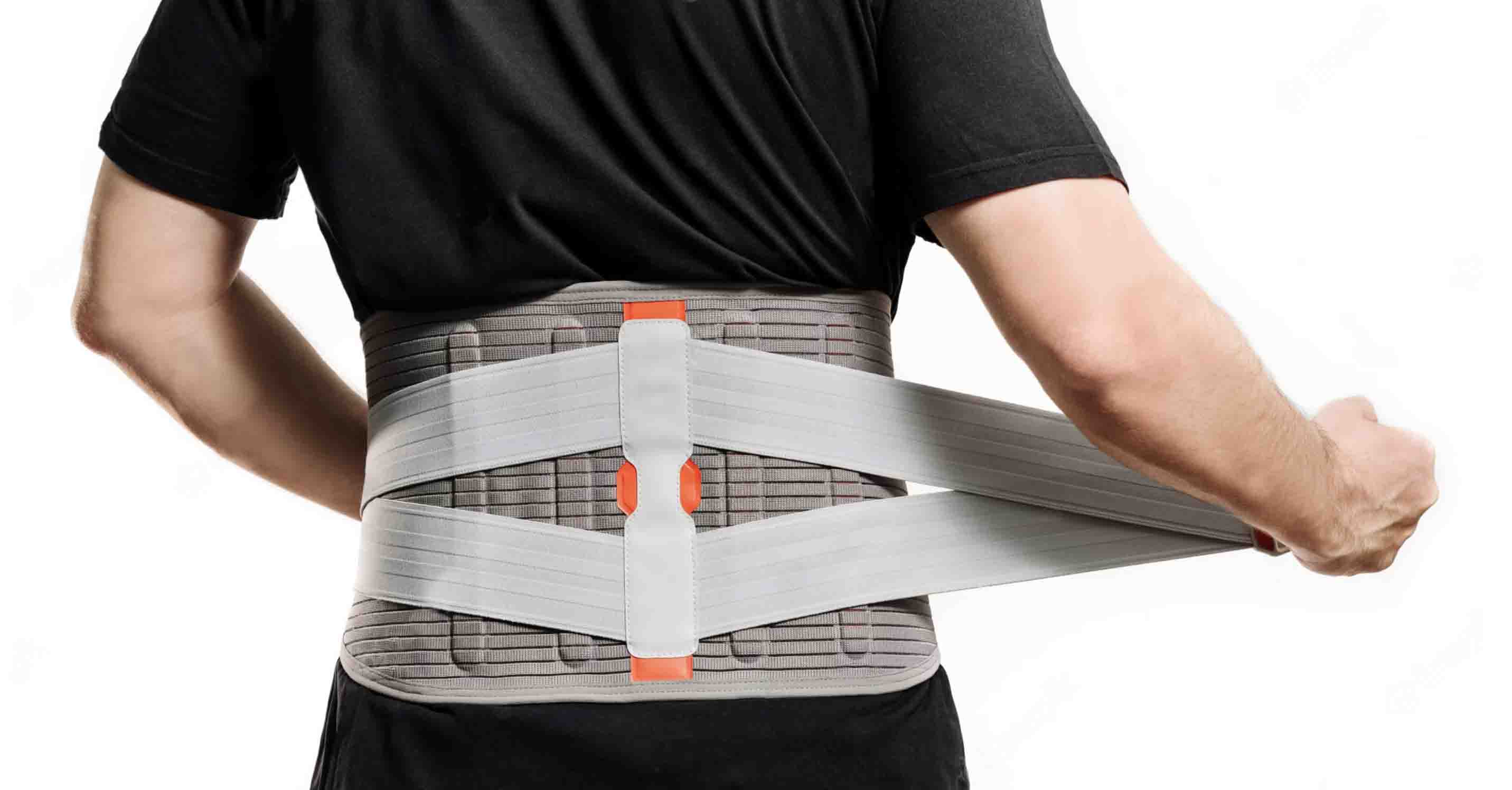
Selecting the optimal brace for your gardening requirements entails a careful evaluation of various factors:
-
- Comfort: Select one that feels good and fits right on your waist. The material should be soft against your skin and breathable to prevent overheating during long hours in the sun;
- Level of support: Heavy-duty wraps offer a high degree of support and stability but might limit movement. In contrast, lighter versions are more flexible but offer less support;
- Adjustability: Good support should have easy-to-use, secure fastening devices, allowing for tightness adjustments as needed. This allows you to change the firmness based on the type of gardening task you are performing;
- Durability: Garden tasks can be tough, and the brace should withstand strenuous outdoor conditions. Study the construction, preferred materials should be robust and weather-resistant. Neoprene, known for its durability, flexibility, and water resistance, is an excellent material for back support belts.
My Personal Experience
In my vast experience with gardening, there was always the lingering problem of back strain. Constant bent-over positions in the activity would result in aching, discomfort, and even throbbing pain on occasion. The solution introduced itself in the form of the Nygex Back Support Belt. The snug, secure fit around my waist aimed to lessen the blow of constant leaning down and lifting.
It played a crucial role in alleviating tension in my lower spine. Tasks like potting plants or pulling at stubborn weeds no longer became instances of agony. Instead, they morphed into pleasurable sessions of solo or shared time amidst flowers and vegetables. The effects of this protecting gear were nothing short of miraculous, easing away the ache and adding durability to my gardening hours.
And the brace wasn’t only about comfort. It was also instrumental in enhancing my posture. I found myself standing straighter, bending more efficiently. The positive changes were noted by others around me too, commenting on my more upright stature. This gear won the war against my slouched back and instilled correct posture habits. Summed up, this lower back support belt essentially revolutionized my gardening process, gifting me with a healthier, more sustainable hobby.
Frequently Asked Questions
How can I save my back while gardening?
A back brace helps stabilize your spine, reduce pressure on the discs, and support your core muscles, effectively protecting your back from potential injuries and reducing the likelihood of developing back pain.
Can it be worn for gardening without any discomfort?
Yes, a well-fitted and breathable support can be worn comfortably. It should be adjustable to suit your body shape and offer the necessary support without causing any discomfort or hindering your movements.
Is a back support belt only for those who already experience back pain?
No, back support can be beneficial for both individuals who already experience pain and those who want to prevent it. By providing extra support to your lower back, a brace helps protect your back from potential injuries while gardening, regardless of whether you have experienced back pain before or not.
What happens if I wear a back brace all day?
Wearing a back brace all day may provide short-term pain relief and support; however, prolonged use can lead to muscle atrophy (muscle weakening) by making the muscles reliant on the brace.
The Orthopedic Pillow Has Relieved Me of the Neck and Head Pain
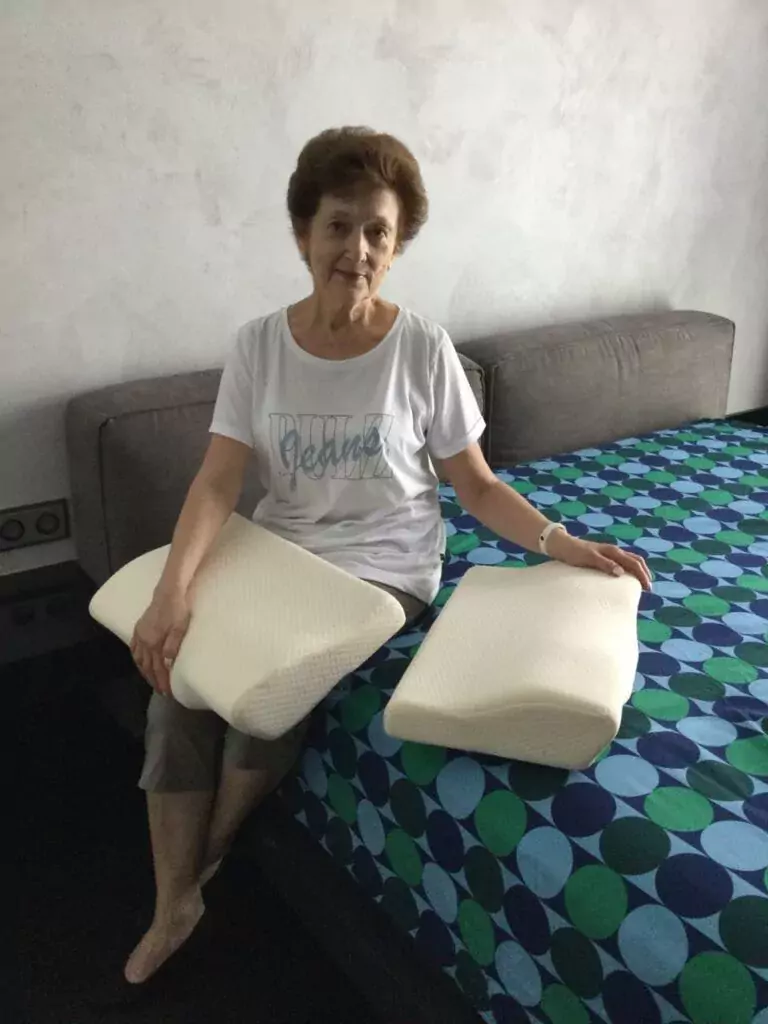
➯ About my problem
My name is Jessica, I am 57 years old and a month ago I was suffering from constant pain in my neck. This problem had been bothering me for several years in a row. Often the pain occurred after busy days at work, long walks with the children, and housework. I had no idea that this was just the beginning.
For a while, the pain was only in the neck. Gradually, the pain started in the back of my head and spread to my temples. It got to the point where I had to lie down for one or two hours just to feel better. Even the painkillers had no effect.
One such day, my friend Margaret came to see me. When she heard I was in trouble, she recommended a masseur she knew. I had several sessions of a good massage. I felt better for a while, but the pains returned with renewed vigour.
I was sick of it! I started having problems at work, spending less time with my family and giving up hobbies.
➯ First knowledge about orthopedic pillows
First I read the internet forums. Some people talked about orthopedic pillows for a good night’s sleep. A few stories inspired me, they described my problems in the same way. I decided to find out if such pillows are really useful.
Through Google, I found an article by the Institute of Japanese Experimental Medicine on the benefits of memory foam pillows for the neck (Link to article). For example, people who sleep on ordinary feather pillows overload their cervical spine due to the incorrect positioning of the head. Orthopaedic pillows have no such side effects.
The best part is just ahead. Reading about pillows has taught me a lot about the structure of the spine and its problems. It turns out that our posture affects the position of the head and the tension of various muscles. Slouching causes the head to shift forward, the neck muscles become overloaded and pull on the cervical vertebrae. This is one of the causes of pain.
Unfortunately, I couldn’t find any research to answer the question, “What are the best ways to relieve neck pain?” But the idea of trying an orthopaedic pillow is on my mind.
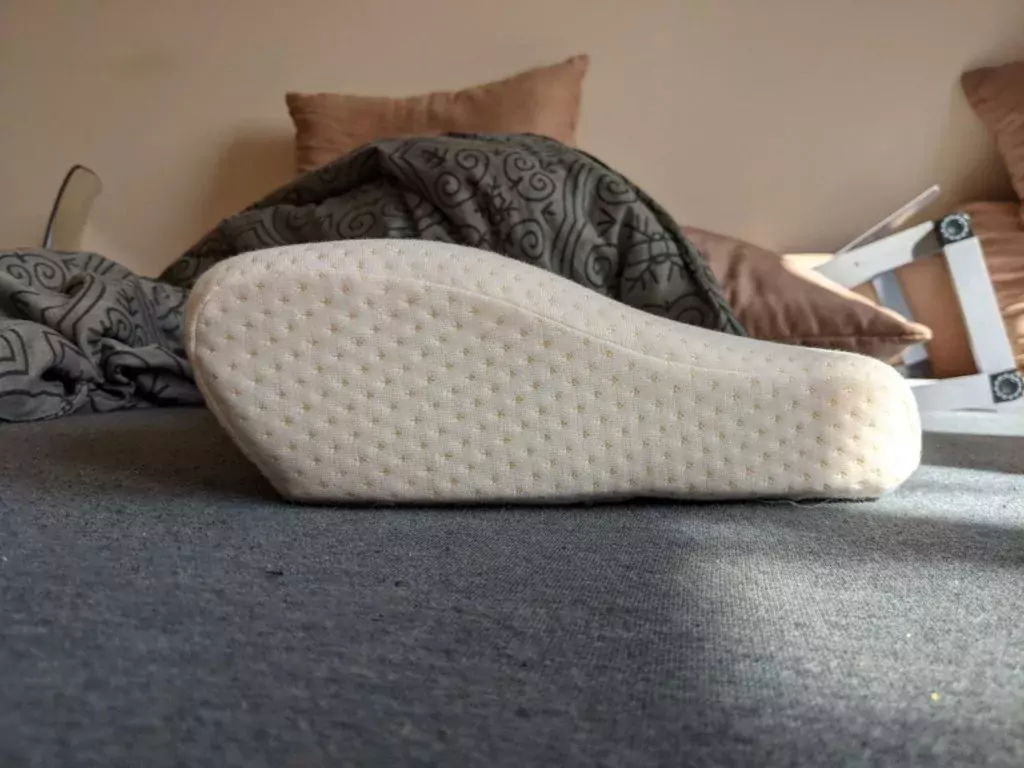
I didn’t lose anything. Firstly, the pillow always comes in handy at home. Secondly, it is not a Boeing that requires an experienced pilot, you fall asleep on a new pillow, you evaluate the results in the morning.
I have read many positive reviews on forums about the contour orthopedic memory foam pillow for neck pain. I visited the website. I was pleasantly surprised by the large selection of products and even a little confused – can so many problems be solved with different orthopaedic products? As it turns out, yes!
I liked that the contour orthopedic memory foam pillow for neck pain is made of hypoallergenic materials, is easy to clean and requires little maintenance. After researching customer reviews from Ireland, I placed my order. It was confirmed and seven days later the pillow was on my bed. They also have free shipping to England.
➯ My experience with the orthopedic pillow
The first observation is that you lay your head on the pillow and it gradually ‘envelops’ it, taking on a perfect shape. It feels like lying on a cloud. Secondly, it doesn’t make my head sweat. No matter how I turned, the temperature stayed comfortable.
I wasn’t expecting a fantastic effect. Yes, I slept well. For the first time in a long time, I didn’t wake up in the night from an uncomfortable head position. Unfortunately, in the evening I felt the pesky pains again.
Of course, it upset me, but I decided to sleep on a new pillow.
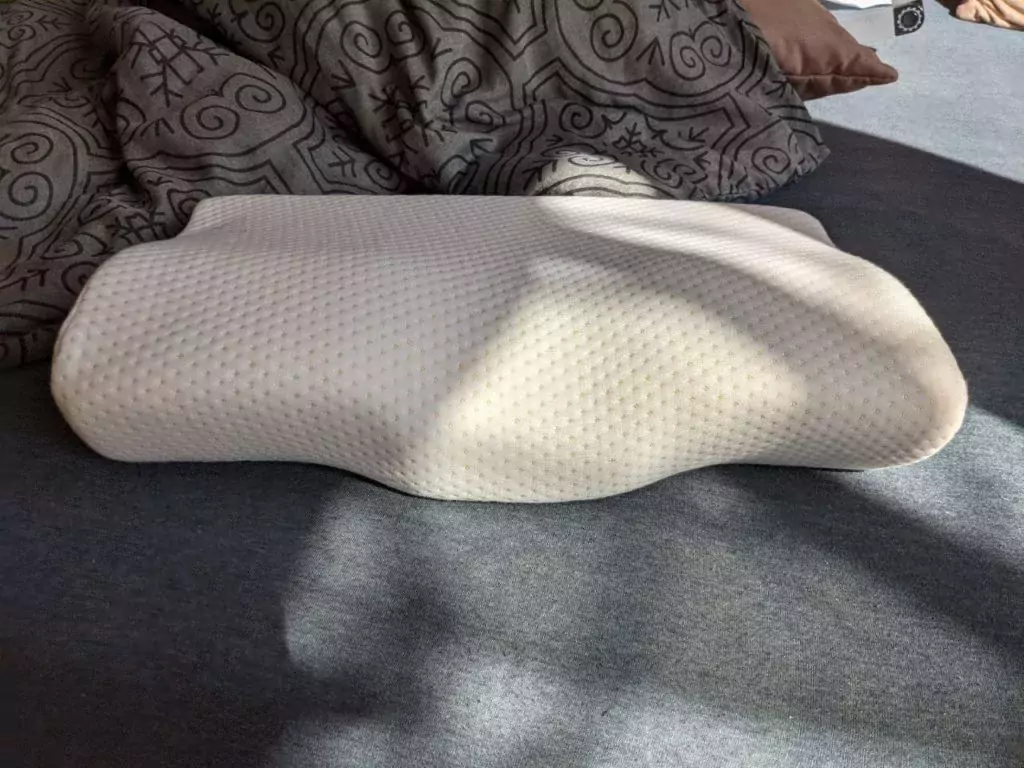
One morning, I found myself brushing my teeth and not feeling any heaviness in my neck. I turned my head several times in different directions and felt no pain. A miracle? No, I’m a pragmatist and don’t believe in miracles. Nothing has changed in my life. Just the pillow. “Okay,” I thought, “I’ll see what happens”.
A month has passed. My happiness has set in. The unfortunate pain left my life and I started doing special exercises, finally restoring my neck.
➯ Bottom line, what did I get?
For a good price, I bought a product that saved me money. I stopped buying unnecessary medicines, I stopped going for massages. I think the insurance company is relieved because I no longer have to go to the doctor with this issue.
At first, I thought I didn’t need it, but at that moment my neck itself pointed out my wrongness, treacherously sore. “To hell with it, my patience isn’t worth it,” I decided then and ordered.
My stress level went down. Logically, I am getting more sleep. At the same time, I was more productive at work, and for the first time in two years, I turned in my quarterly report without errors. Now that’s fantastic!

In conclusion, I would like to say that I was lucky. I found a good product that solved my problem. Unfortunately, not all people will follow my path and get a similar result. This has to be understood. In any case, you are welcome to give it a try.
How Does U-Shaped Pregnancy Pillow Work?
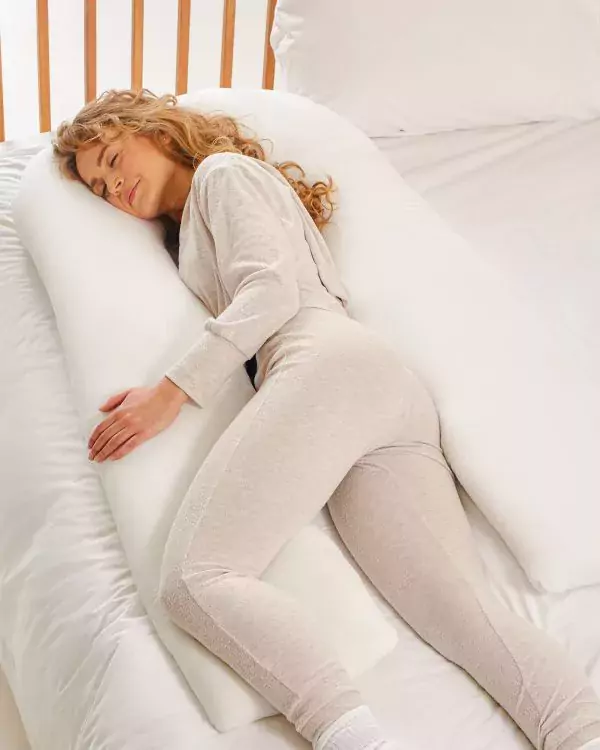
Among professionals who recommend the use of U-shaped pregnancy pillow, there are midwives, osteopaths, physiotherapists and yoga teachers. While the benefit of a pregnancy pillow is no longer to be presented, the way various kinds of U-shaped pillow work differs depending on the position adopted. So, depending on whether the pillow is placed under the neck, around the pelvis, under the legs, etc., the sensations vary. To help you get the most from your pregnancy pillow, here is a non-exhaustive list of maternity pillow use positions during pregnancy.
To help you feel better, unfold your pillow so that it is as open as possible and hold it tight against you while lying down. Ideally, lie on your left side with the pregnancy pillow tight against you. Bend your right leg 90 to the rest of your body, pull it up enough not to arch your back, and rest it on the pregnancy pillow.
Your left leg remains relaxed on the bed and against the maternity pillow. Since U-shape pregnancy pillows are long enough and flexible, you can rest your head on one end of the pillow, with your arm underneath, to keep your whole body upright. This position relieves the back by preventing you from arching and also ensures better positioning of the baby. This position also frees the vena cava and promotes good blood circulation.
Release the tensions in your belly
To relieve the tummy that is tired of carrying your baby all day, use your maternity pillow whenever and wherever you can. In most positions of using the cushion, your stomach will be relaxed. While lying down, place your maternity pillow under the buttocks to straighten your back and relax your stomach. When you sit on the sofa, place the center of the nursing pillow behind your back and bring its ends to either side of your belly to use it as an armrest and rest your arms, thus releasing the tension in your belly. Sit comfortably on your pregnancy pillow, and cross your legs. This posture will promote an upright posture, free your belly, it will be less oppressed.
Relieve back pain
Use your nursing pillow to relax the neck and optimize breathing. Lying on your back, slide the center of the pregnancy pillow under your neck, and let your arms rest on either side of the nursing pillow. This position optimizes your breathing, it also allows you to relieve tension under the shoulder blades and limit gastric reflux.
Minimize leg swelling
Are your legs aching and your feet swollen? Lie on your back and place your maternity pillow under your legs. This position allows you to elevate your legs, keep your back straight, but most importantly, regulate your blood circulation in the legs and relieve pain and heavy legs.
Better sleep during pregnancy
In some cases of risk of premature delivery, the mother should lie down as often as possible before the baby is born. If you are in this situation place your nursing pillow under your buttocks, and let your thighs rest on it. This position allows the baby to position himself higher in the uterus, while relieving the lower back and pain in the lower back. It is also possible to place the pregnancy cushion under the knees, while remaining on the back, in order to straighten the pelvis and relax the back.
Sleeping on your stomach
The pregnancy pillow also helps all moms who are used to sleeping on their stomachs, but can no longer afford it for fear of hurting the baby. Place your U-shaped pillow with the section in an arc under your chest and the right leg raised and placed on the cushion. This position will allow you to lie on your stomach without compressing it since it will be raised by the pillow. The fetus is comfortably seated in weightlessness in the amniotic fluid and receives almost no pressure.